
 By Annie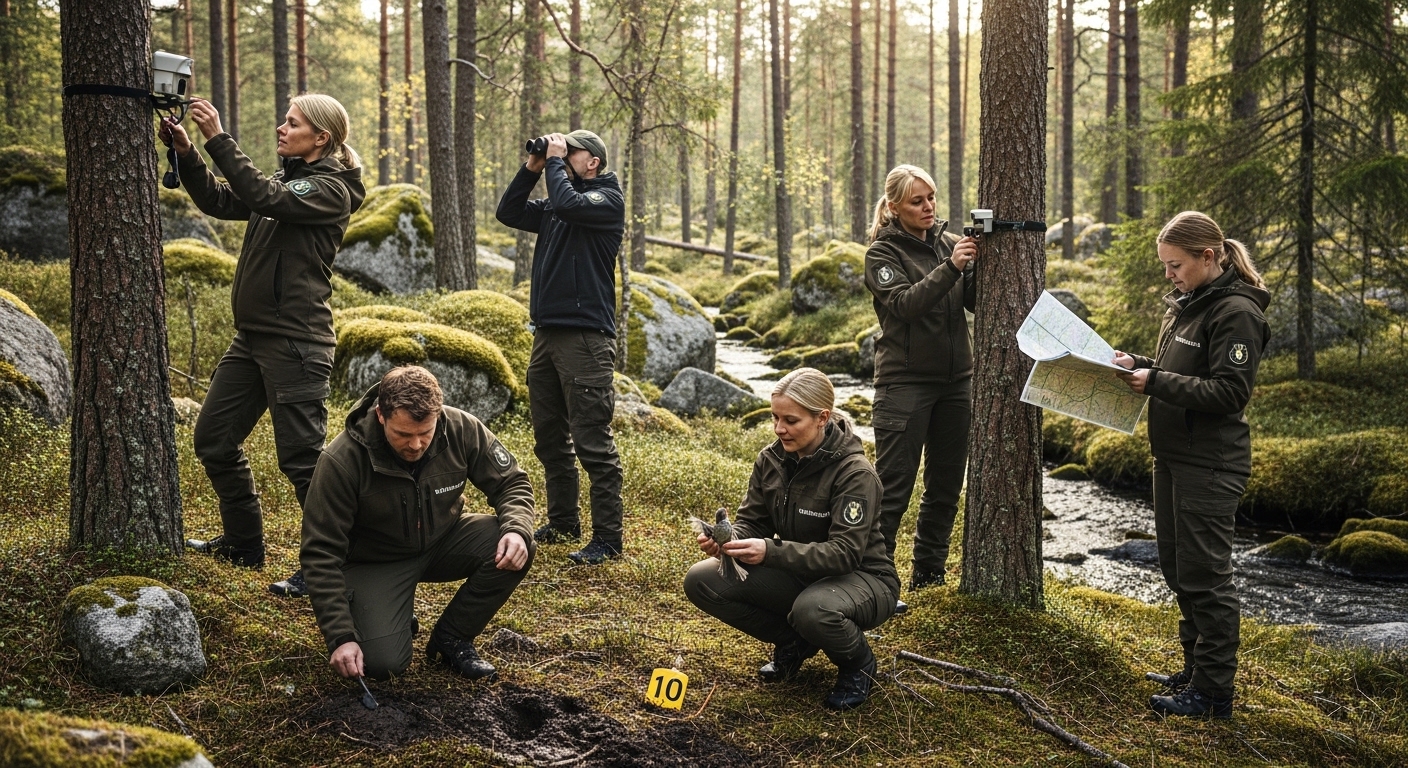
When it comes to preserving our natural heritage, few organizations stand as prominently as Viltnemnda. This dedicated body plays a crucial role in safeguarding wildlife and maintaining ecological balance in various regions. But what exactly does Viltnemnda do? How did it come into existence, and why is its work so essential for local communities and the environment at large? Join us on this journey to uncover the significance of Viltnemnda—the guardians of wildlife that ensure our natural world remains vibrant and thriving.
History and Purpose of Viltnemnda
Viltnemnda has its roots in Norway’s rich tradition of wildlife conservation. Established to address the growing concerns about declining animal populations, it emerged as a necessary response to human activities impacting natural habitats.
The primary purpose of Viltnemnda is to protect and manage wildlife resources while ensuring sustainable practices. This delicate balance aims to foster coexistence between humans and animals, recognizing the importance of biodiversity for ecological health.
Over time, Viltnemnda has adapted its strategies. Legislative changes and increased awareness have shaped their approach. Engaging with scientists, local communities, and stakeholders helps enhance their effectiveness in preserving natural ecosystems.
Their commitment extends beyond mere regulation; it involves educational initiatives too. By promoting understanding of wildlife issues among residents, they empower communities to participate actively in conservation efforts.
Responsibilities and Roles of Viltnemnda
Viltnemnda plays a crucial role in wildlife management. Their primary responsibility is to oversee and regulate hunting practices within their designated areas.
They ensure that local populations of animals remain balanced and sustainable. This involves setting quotas and determining hunting seasons based on scientific research.
Another important aspect of Viltnemnda’s duties is monitoring wildlife health. They conduct regular assessments, identifying any diseases or environmental threats affecting various species.
Community engagement forms a key part of their strategy. By educating locals about conservation, they foster a sense of responsibility towards nature among residents.
Furthermore, Viltnemnda collaborates with other organizations to promote biodiversity initiatives. They work hand-in-hand with researchers and conservationists to develop effective strategies that protect both flora and fauna in the region.
Their multifaceted approach enhances not only animal welfare but also supports ecosystem stability for future generations.
The Relationship between Viltnemnda and Local Communities
Viltnemnda plays a crucial role in fostering relationships with local communities. This connection is built on collaboration and mutual respect for wildlife and cultural heritage.
Local residents often possess invaluable knowledge about their surroundings. Viltnemnda taps into this wealth of information to understand species behaviors and habitat needs better.
Community engagement initiatives, such as workshops and educational programs, help bridge the gap between conservation efforts and everyday life. People gain insight into sustainable practices that benefit both wildlife and their livelihoods.
However, challenges can arise when interests conflict. Balancing hunting rights with conservation goals requires ongoing dialogue. Open communication fosters trust, allowing for smoother resolutions to disputes.
By working together, Viltnemnda ensures that local voices are heard while striving to protect Norway’s natural resources effectively. This partnership empowers communities to take an active role in preserving their environment for future generations.
Controversies Surrounding Viltnemnda’s Actions
Viltnemnda has faced its share of scrutiny over the years. Critics argue that some decisions made by this body prioritize hunting and land use over animal welfare.
One major point of contention involves population control measures for certain species. While many support regulated hunting as a way to balance ecosystems, others view it as inhumane and unnecessary.
Additionally, local communities often voice concerns about transparency. Many feel excluded from discussions impacting their wildlife. This disconnect can lead to mistrust and resentment towards Viltnemnda.
Some environmentalists have even accused Viltnemnda of favoring commercial interests at the expense of biodiversity. They argue that economic motives should not overshadow conservation efforts.
These controversies highlight the delicate balance Viltnemnda must maintain between human interests and wildlife protection, reflecting a broader debate within society about our relationship with nature.
Success Stories of Viltnemnda’s Conservation Efforts
Viltnemnda has made significant strides in wildlife conservation across various regions. One standout success is the recovery of local elk populations. Through strategic management and habitat restoration, these majestic creatures have returned to their natural ranges.
Another inspiring example involves the protection of endangered bird species. Viltnemnda implemented breeding programs that have seen remarkable results, boosting numbers for species like the white-tailed eagle.
Community engagement plays a crucial role in these successes. Educational initiatives raise awareness about local ecosystems and promote responsible behaviors towards wildlife.
Through collaboration with environmental organizations, Viltnemnda has also managed to restore vital wetlands, creating sanctuaries for numerous aquatic species. These efforts not only benefit wildlife but enrich the entire ecosystem they inhabit.
Such achievements highlight how dedicated actions can foster healthier environments for all living beings while promoting biodiversity in our shared landscapes.
Conclusion: The Importance of Viltnemnda in Protecting Wildlife
The role of viltnemnda is vital in the realm of wildlife conservation. They act as stewards, ensuring that natural ecosystems thrive amidst human encroachment. Their efforts help balance the needs of local communities with those of our precious wildlife.
Through collaboration and education, viltnemnda fosters a deeper understanding among residents about the importance of maintaining biodiversity. Such awareness leads to more harmonious coexistence between humans and animals.
Wildlife protection cannot be achieved without dedicated organizations like viltnemnda. Their work not only safeguards species but also enriches our environment for future generations. By supporting their initiatives, we contribute to a sustainable ecosystem where both people and nature can flourish side by side.