
 By Annie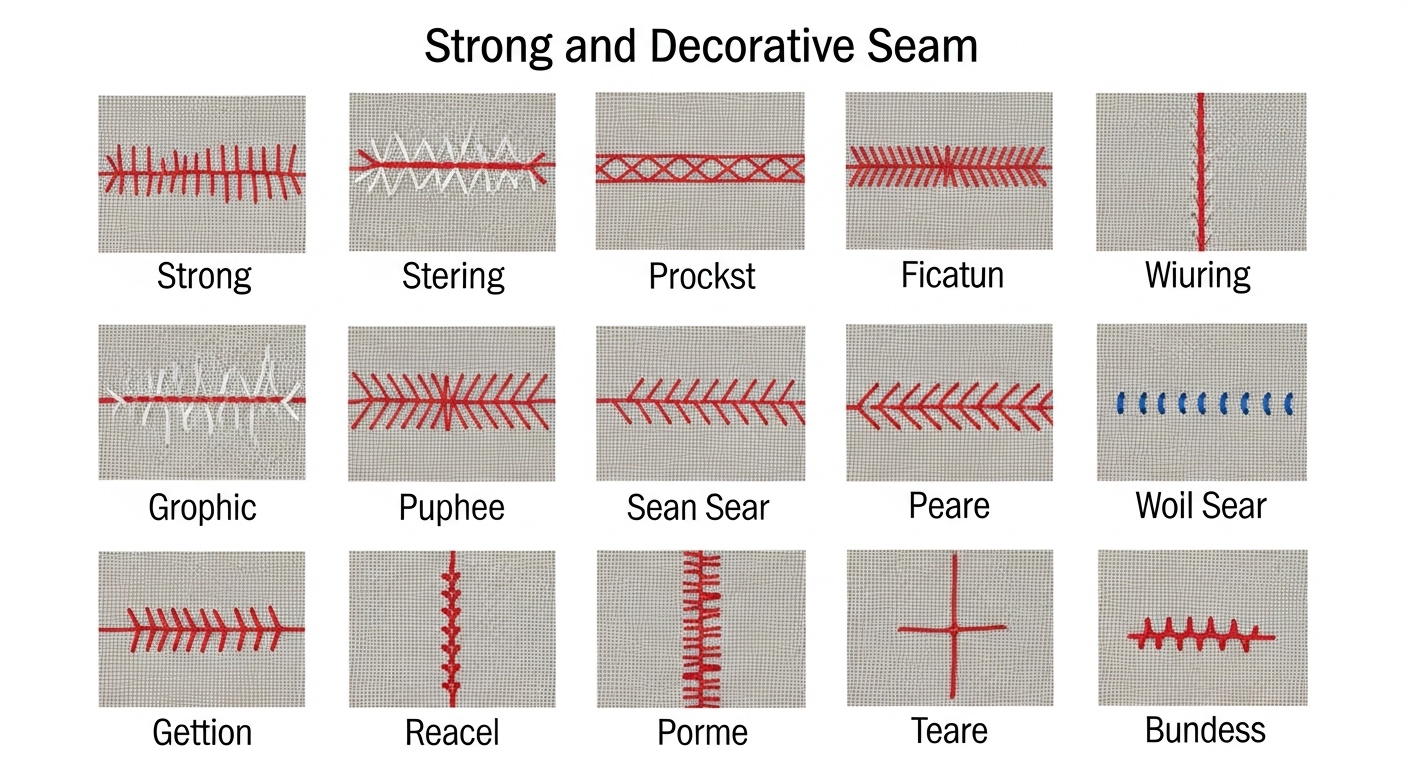
When it comes to sewing, the strength and style of your seams can make all the difference. Whether you’re whipping up a quick project or crafting something special, understanding nahttypen is essential. Each seam type serves its purpose—some focus on durability while others bring flair to your creations. From sturdy straight stitches to elegant decorative options, knowing which seam to choose can elevate your work from good to exceptional. Let’s dive into the world of seams and discover how they can enhance both function and aesthetics in your sewing projects!
Straight Stitch Seam
The straight stitch seam is the foundation of sewing. It’s simple yet incredibly versatile, making it a must-know for every sewist.
This stitch creates a clean line, ideal for joining two pieces of fabric. It’s commonly used in clothing construction and home décor projects. The straight stitch can be done with various thread types to achieve different effects.
When using this seam type, ensure your machine is set correctly. A consistent tension will provide strength and durability to your seams.
For added reinforcement, consider backstitching at the beginning and end of each seam. This helps prevent fraying and keeps everything secure as you wear or use your finished piece.
Whether you’re working on garments or quilts, mastering the straight stitch opens up countless possibilities in your sewing journey.
Zigzag Stitch Seam
The zigzag stitch seam is a versatile choice in sewing. It’s characterized by its wavy pattern, which can stretch and move with the fabric. This makes it perfect for knit fabrics or anything that requires flexibility.
When you sew using a zigzag stitch, you’re not just joining pieces together; you’re also preventing fraying. The edges of your fabric are securely encased within this stitched wave, enhancing durability.
Additionally, the zigzag seam can be adjusted to create different widths and lengths. You have control over how bold or subtle the design will appear on your project.
Whether it’s used for hems or decorative elements, this seam adds both function and flair. It’s an essential technique every sewer should master for effective results across various materials.
French Seam
The French seam is a favorite among sewers for its elegant finish. This technique encases raw edges, providing both strength and style.
To create a French seam, you start by sewing the fabric pieces wrong sides together. This initial stitch forms a narrow seam that’s less than usual, typically about 1/4 inch wide.
Next, you trim the excess fabric close to the stitching line before flipping the pieces right sides together. A second stitch encloses those raw edges inside—resulting in a clean look on both sides of your project.
French seams work wonderfully with lightweight fabrics like chiffon or silk. These delicate materials benefit from this method as it prevents fraying while maintaining an airy feel.
Choosing this seam type enhances durability without sacrificing beauty, making garments look professionally finished. Perfect for blouses or dresses where appearance matters!
Flat-Felled Seam
The flat-felled seam is a favorite among those seeking durability and neatness. It combines strength with a polished finish, making it ideal for garments that endure frequent wear, like jeans.
This seam involves folding the raw edges of the fabric inward before stitching them together. The result? A clean look on both sides of the fabric. This technique not only hides frayed edges but also adds an extra layer of reinforcement.
Perfect for various fabrics, it’s particularly effective with heavier materials that require added stability. Additionally, its structural integrity makes it suitable for high-stress areas such as armholes or crotch seams.
Sewing this kind of seam may take practice due to its multi-step nature. However, once mastered, you’ll appreciate how professional your projects can look and feel—bringing a touch of craftsmanship to every piece you create.
Decorative Seams for Embellishments
Decorative seams can transform a simple garment into a work of art. These stitches add flair while serving practical purposes, enhancing both strength and aesthetics.
Consider using contrasting thread colors to make your seams pop. A vibrant hue against a neutral fabric creates eye-catching detail.
Techniques like scalloping or pintucking provide texture and dimension, making flat surfaces visually interesting. Experimenting with different stitch patterns can elevate basic designs significantly.
Adding decorative elements like lace or piping along the seam lines further enhances the look. This not only strengthens the edges but also adds a unique touch that sets your project apart.
Don’t shy away from combining techniques; layering decoratively stitched seams can create stunning visual effects that captivate attention without overwhelming the design’s integrity.
Choosing the Right Seam for Your Project
Choosing the right seam for your project can elevate your sewing game. It’s essential to consider the fabric type, intended use, and desired finish.
For lightweight fabrics like chiffon or silk, a French seam provides a clean look while encasing raw edges. This is perfect for delicate garments that need extra care.
If you’re working with stretchy materials such as knits, opt for a zigzag stitch. This allows the fabric to move without breaking the thread.
For sturdy projects like denim jeans or bags, flat-felled seams are ideal. They offer durability and an attractive finish that’s often seen in professional clothing.
Always think about aesthetics too. Decorative seams not only enhance visual appeal but also add character to basic designs. Tailoring your choice to specific needs will yield better results in both function and style!
Tips for Sewing Strong and Neat Seams
To achieve strong and neat seams, start with quality fabric. Pre-washing your material can prevent unexpected shrinkage later.
Use the right needle for your project. A universal or specialty needle works wonders based on fabric type. Always ensure it’s sharp to avoid fraying.
Position your fabric correctly under the presser foot. Keep edges aligned while sewing for consistency throughout.
Adjust the tension settings on your machine according to thickness. Too tight or too loose can lead to puckering or weak stitches.
Press seams as you go. This simple step helps in achieving crisp lines and improves seam strength dramatically.
Don’t rush through sewing; take your time instead. Patience leads to precision, resulting in polished finishes that highlight your skills beautifully.
Conclusion
Understanding different seam types can significantly enhance your sewing projects. Each seam has its unique strengths and applications, making it crucial to choose wisely based on the fabric and purpose of your project.
Straight stitch seams offer durability and simplicity, while zigzag stitches provide flexibility for stretch fabrics. French seams are perfect for delicate materials that require a clean finish, whereas flat-felled seams add strength to heavier fabrics. If you want to incorporate some flair into your work, decorative seams can elevate ordinary pieces into standout creations.
Selecting the right seam type ensures not only structural integrity but also aesthetic appeal. With these tips in mind, you’ll be well on your way to mastering various nahttypen in no time. Embrace the versatility of each seam type as you bring your creative visions to life!