
 By Annie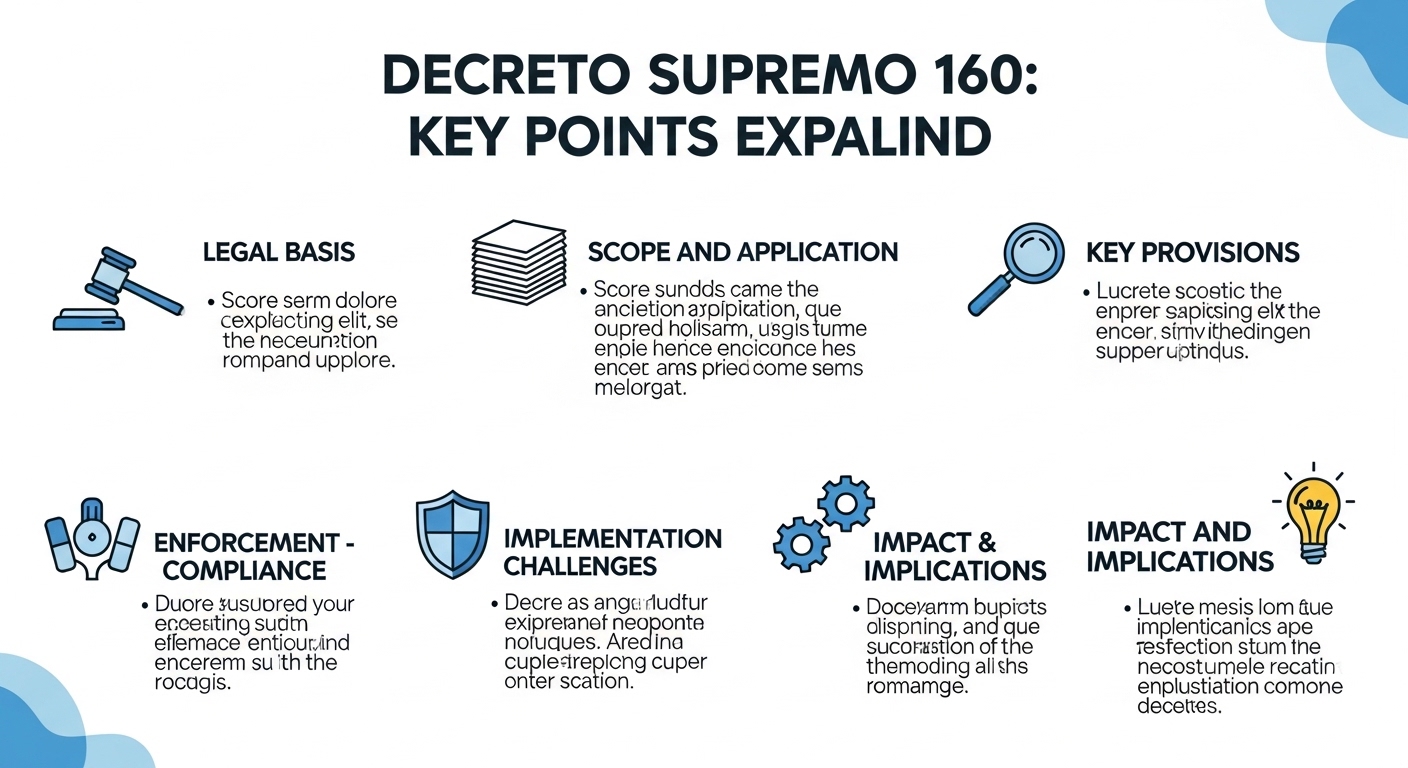
Decreto Supremo 160 has stirred quite the conversation across various sectors. This significant legislation aims to reshape labor practices and redefine workers’ rights in ways that many are still grasping. As governments worldwide evolve their regulatory frameworks, understanding such decrees becomes essential for both employees and employers alike. With its intricate provisions, Decreto Supremo 160 holds the potential to impact countless lives and businesses throughout the nation. Let’s dive into what this decree really entails and why it matters now more than ever.
What is Decreto Supremo 160?
Decreto Supremo 160 is a significant piece of legislation enacted to address various labor issues in the region. It focuses on enhancing workers’ rights and improving overall workplace conditions. The decree emerged as a response to long-standing demands for better protection and benefits for employees.
The law introduces several provisions aimed at safeguarding workers from exploitation and ensuring fair treatment across different sectors. By establishing clear guidelines, it seeks to create a more equitable work environment.
Furthermore, Decreto Supremo 160 represents an evolution in labor regulations, reflecting modern workforce dynamics. This change aims not only to protect employees but also to foster positive relationships between employers and their staff.
Purpose of Decreto Supremo 160
Decreto Supremo 160 aims to enhance the protection of workers’ rights within the labor market. It seeks to create a more equitable framework for employment relations.
By addressing various aspects of labor law, this decree emphasizes fair treatment and ensures that employees receive necessary benefits. This includes better working conditions and job security.
Additionally, it strives to balance the needs of both workers and employers. The intention is not only to empower employees but also to support businesses in adapting to new regulations smoothly.
Decreto Supremo 160 envisions a harmonious workplace environment where mutual respect prevails. This reflects an evolving understanding of labor dynamics in today’s economy.
Key Points of Decreto Supremo 160
Decreto Supremo 160 introduces significant provisions aimed at enhancing workers’ rights and benefits. It ensures fair compensation, encourages safe working conditions, and promotes job security for employees across various sectors.
Another critical aspect of this decree is the update to labor regulations. These changes bring modern practices into play, addressing issues that have long been overlooked in traditional frameworks. By aligning with contemporary work dynamics, it fosters a healthier workplace environment.
Employers are also affected by these reforms. The decree imposes new responsibilities on businesses while balancing the need to maintain productivity levels. It aims to create a fair playing field where both employee welfare and business interests coexist.
These key points highlight how Decreto Supremo 160 reshapes the employment landscape drastically, driving change that resonates throughout workplaces everywhere.
– Provisions for workers’ rights and benefits
Decreto Supremo 160 introduces vital provisions aimed at enhancing workers’ rights and benefits. It underscores the importance of fair treatment in the workplace.
One of its key elements is guaranteed access to health care. Employers are now mandated to provide comprehensive medical coverage for their employees, ensuring that health issues do not become a barrier.
Additionally, the decree emphasizes paid leave entitlements. Workers can expect structured policies regarding vacation days and sick leaves, promoting work-life balance.
Another significant feature is enhanced job security. The decree strengthens protections against unjust dismissals, giving employees more peace of mind in their roles.
These measures aim to uplift labor conditions significantly. By prioritizing employee welfare, Decreto Supremo 160 sets a new standard for how businesses manage human resources.
– Changes in labor regulations
Decreto Supremo 160 introduces significant changes to labor regulations that impact both employees and employers. One of the most notable adjustments is the enhancement of job security measures for workers. This aims to reduce unjust terminations, offering a more stable work environment.
Another key change involves adjustments in working hours and overtime pay. Employers are now required to adhere strictly to these new guidelines, ensuring fair compensation for additional hours worked.
Furthermore, there’s an increased emphasis on workplace safety standards. Companies must invest in better safety protocols, which ultimately benefits everyone involved.
These regulatory shifts also encourage transparency between employers and their staff. Open communication fosters trust and collaboration within organizations, leading to improved morale overall.
As businesses adapt to these evolving regulations, they will need to stay informed about compliance requirements continually changing under Decreto Supremo 160.
– Impact on employers and businesses
Decreto Supremo 160 introduces significant shifts that impact employers and businesses across various sectors. The new provisions demand a re-evaluation of labor practices, pushing companies to adapt swiftly.
Employers must now navigate enhanced workers’ rights and benefits. This shift can lead to increased operational costs as businesses strive to comply with the updated regulations. Many companies are reevaluating their compensation structures to align with these changes.
Moreover, the decree may affect hiring processes. Employers might become more selective, weighing long-term commitments against immediate financial implications.
Furthermore, compliance challenges arise for smaller enterprises lacking resources or legal guidance. These businesses could face difficulties in adjusting their policies effectively without incurring penalties.
In this evolving landscape, proactive communication between management and employees is essential. Transparent dialogue can help mitigate misunderstandings and foster a cooperative environment amidst rapid changes.
Criticisms and Controversies Surrounding Decreto Supremo 160
Decreto Supremo 160 has sparked a wave of criticism since its introduction. Many argue that the provisions may not adequately protect workers’ rights as intended. Critics highlight ambiguities in the language, which could lead to misinterpretation.
Furthermore, some labor unions express concern over potential loopholes that employers might exploit. The fear is that without rigorous enforcement, the decree may fail to provide real benefits for employees.
Additionally, business owners have raised objections about increased regulatory burdens. They worry these changes could stifle growth and innovation within their organizations.
Public discourse around Decreto Supremo 160 often reveals a divide between worker advocates and business interests. This ongoing debate underscores the complexity of labor reform in today’s economy and raises questions about balancing workers’ needs with economic viability.
Implementation and Enforcement of Decreto Supremo
The implementation and enforcement of Decreto Supremo 160 are crucial to its success. Effective measures must be in place for the decree to benefit workers and businesses alike.
Authorities will need to monitor compliance closely, ensuring that employers adhere to new labor regulations. This requires a transparent process where both employees and employers can voice their concerns or seek clarification on any issues arising from the changes.
Training programs may also play a significant role in helping businesses adapt smoothly. By educating staff about their rights and responsibilities under this decree, companies can foster a positive work environment while avoiding potential legal pitfalls.
Moreover, the active participation of labor unions will be essential in advocating for worker rights as well as holding employers accountable. Their involvement ensures that the voices of those most affected by these changes are heard.
How effectively Decreto Supremo 160 is implemented will significantly impact its reception among workers and business owners alike. A collaborative effort between government bodies, private sectors, and labor organizations could pave the way for smoother transitions into this new regulatory landscape.