
 By Annie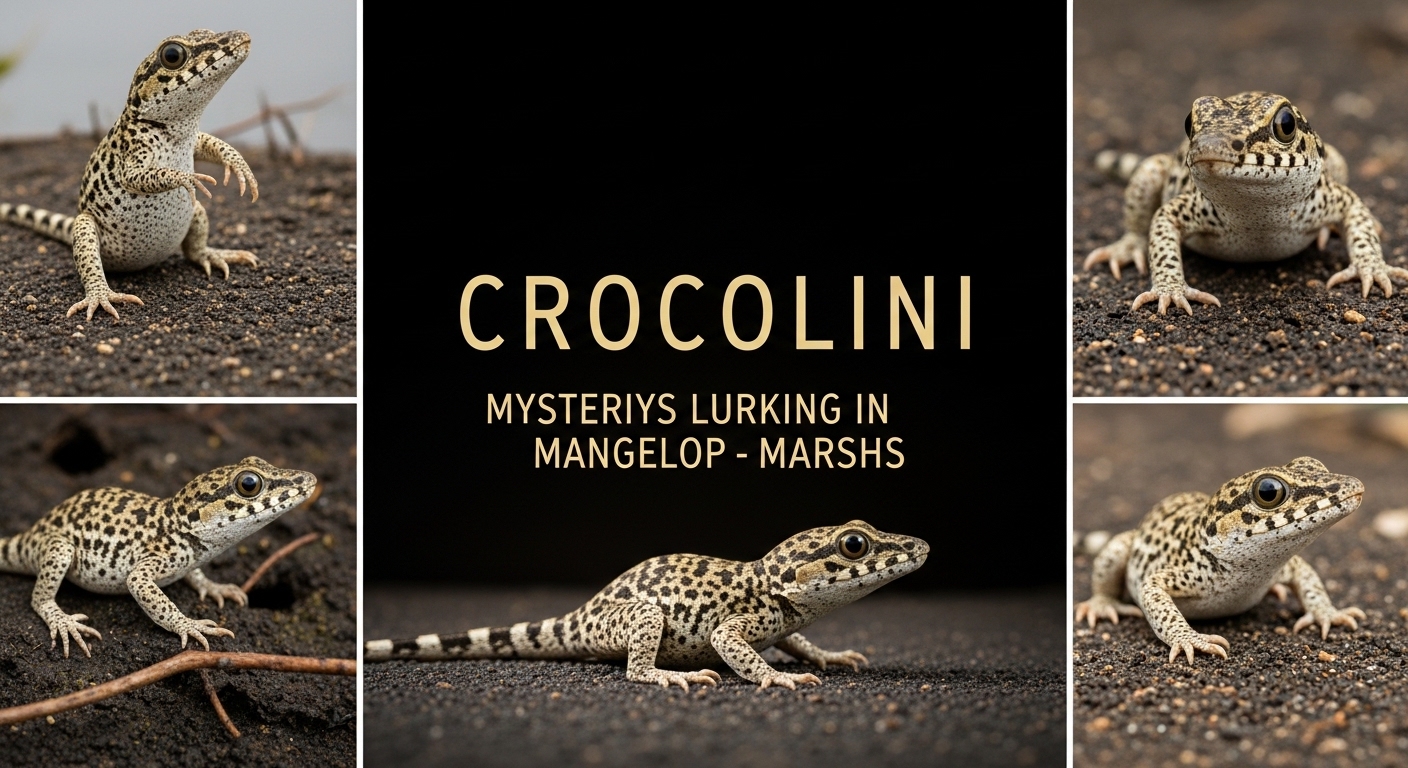
Deep in the heart of lush mangroves and sprawling marshes, a captivating creature makes its home: the crocolini. Often shrouded in mystery, this elusive reptile has intrigued researchers and wildlife enthusiasts alike. With its unique adaptations to both land and water, the crocolini is not just another crocodilian; it embodies a world teeming with secrets waiting to be uncovered. Join us as we delve into the fascinating life of this remarkable species, exploring its habitat, physical traits, diet, reproduction, and interactions with humans. The journey into the realm of crocolini promises surprises at every turn!
The Habitat of Crocolini: Mangroves and Marshes
Crocolini thrive in the lush realms of mangroves and marshes. These unique ecosystems provide a perfect blend of brackish waters, dense vegetation, and abundant prey.
The tangled roots of mangrove trees create a maze that offers cover from predators. The humid environment fosters an array of life forms, making it a bustling habitat for crocolini.
Marshes contribute significantly to their lifestyle as well. With shallow water bodies filled with rich plant life, these areas are ideal hunting grounds. Crocolini can often be seen basking on the banks or stealthily navigating through reeds.
Both habitats serve as nurseries for young crocolini. Here, they find safety while growing stronger before venturing into deeper waters. This adaptability showcases their resilience in varying environments that support their survival needs effectively.
Physical Characteristics of Crocolini
Crocolini are fascinating creatures, known for their distinct physical traits. They possess elongated bodies that glide effortlessly through water and navigate marshy terrain. Their tough, scaly skin provides protection while blending perfectly into the foliage.
One striking feature is their formidable jaws lined with sharp teeth. This adaptation equips them to grasp slippery prey in a swift motion. Their powerful tails serve multiple purposes: propulsion when swimming and balance while on land.
Eyes positioned high on their heads allow Crocolini to survey their surroundings without exposing much of themselves above the waterline. Coloration varies from deep greens to mottled browns, offering excellent camouflage among mangroves and reeds.
With sturdy limbs equipped with webbed feet, they can maneuver efficiently across muddy banks or climb low-hanging branches in search of basking spots under the sun’s warmth. Each characteristic plays a crucial role in survival within demanding ecosystems.
Diet and Hunting Habits of Crocolini
Crocolini are fascinating predators. They thrive in the lush environments of mangroves and marshes, where their hunting techniques shine.
These elusive creatures primarily feast on fish, birds, and small mammals. Their acute sense of sight and hearing allows them to detect prey even in murky waters.
Using stealth as their primary tactic, crocolini often lie motionless among the dense vegetation. With a sudden burst of speed, they ambush unsuspecting victims. This combination of patience and precision makes them effective hunters.
They possess powerful jaws lined with sharp teeth designed for gripping slippery prey. Once caught, they employ a unique rolling technique to subdue larger animals before consuming them whole.
This adaptability highlights their role as essential apex predators within their ecosystem. Understanding these habits reveals much about how crocolini maintain balance in their habitats.
Reproduction and Life Cycle of Crocolini
Crocolini have a fascinating reproductive process. Mating typically occurs during the wet season when conditions are ideal for nesting.
The female selects a suitable location near water, often in dense vegetation to protect her eggs from predators. She lays between 20 to 30 eggs and covers them with mud or leaves, ensuring they remain camouflaged.
Incubation lasts about three months. During this time, the temperature plays a crucial role in determining the sex of the hatchlings. Warmer temperatures tend to produce males, while cooler ones favor females.
Once hatched, baby crocolini emerge with an instinctual drive to reach water quickly. They rely on their mother for protection during their vulnerable early days as they learn essential survival skills like hunting and evading threats.
This life cycle is marked by rapid growth and adaptation as these remarkable creatures navigate through complex ecosystems.
Interactions with Humans: Friend or Foe?
Crocolini inhabit the fringes of human activity, often leading to complex relationships. In some regions, locals view them as a threat. Stories of attacks can spark fear and lead to negative perceptions.
However, many communities recognize their ecological value. Crocolini play a crucial role in maintaining the balance within mangroves and marshes. They help control fish populations and maintain healthy ecosystems.
Education is key in bridging this gap. Awareness campaigns highlight the importance of coexistence, showcasing how these creatures benefit their habitats.
In certain cultures, crocolini are even revered symbols of strength and resilience. Their presence is a source of pride for local traditions and folklore.
Understanding these interactions helps foster respect for crocolini while promoting safety for both humans and wildlife alike. Balancing conservation with community needs remains an ongoing challenge that requires collaboration from all sides.
Conservation Efforts for the Protection of Crocolini
Conservation efforts for crocolini are gaining momentum across various regions. Organizations and local communities are collaborating to protect their habitats in mangroves and marshes.
Education plays a crucial role. Workshops highlight the importance of these creatures in maintaining ecological balance. By raising awareness, people become more invested in protecting them.
Habitat restoration projects aim to reverse damage caused by pollution and development. These initiatives focus on rehabilitating wetlands that serve as vital breeding grounds for crocolini.
Additionally, strict regulations against poaching help safeguard vulnerable populations. Anti-poaching patrols have proven effective in certain areas where these animals face threats from illegal hunting.
Community involvement is key to success. Locals often participate in monitoring programs, ensuring that crocolini thrive alongside human activity. It’s a partnership that fosters coexistence while keeping the ecosystem healthy and thriving.
Conclusion:
The world of crocolini is truly captivating. These unique creatures inhabit the rich ecosystems of mangroves and marshes, thriving in environments that provide both shelter and sustenance. With their remarkable physical adaptations, they stand as a testament to nature’s ingenuity.
Their diet reflects a cunning approach to survival, showcasing their skills as hunters perfectly attuned to their surroundings. Meanwhile, understanding their reproduction and life cycle reveals the intricate balance they maintain within these habitats.
Interactions with humans yield complex dynamics; while some view them as threats or nuisances, others recognize their ecological importance. Conservation efforts are crucial for ensuring that future generations can appreciate the beauty and mystery of crocolini.
Exploring this fascinating world opens our eyes to the delicate interplay between species and ecosystems, reminding us how vital it is to protect such extraordinary wildlife for years to come.