
 By Annie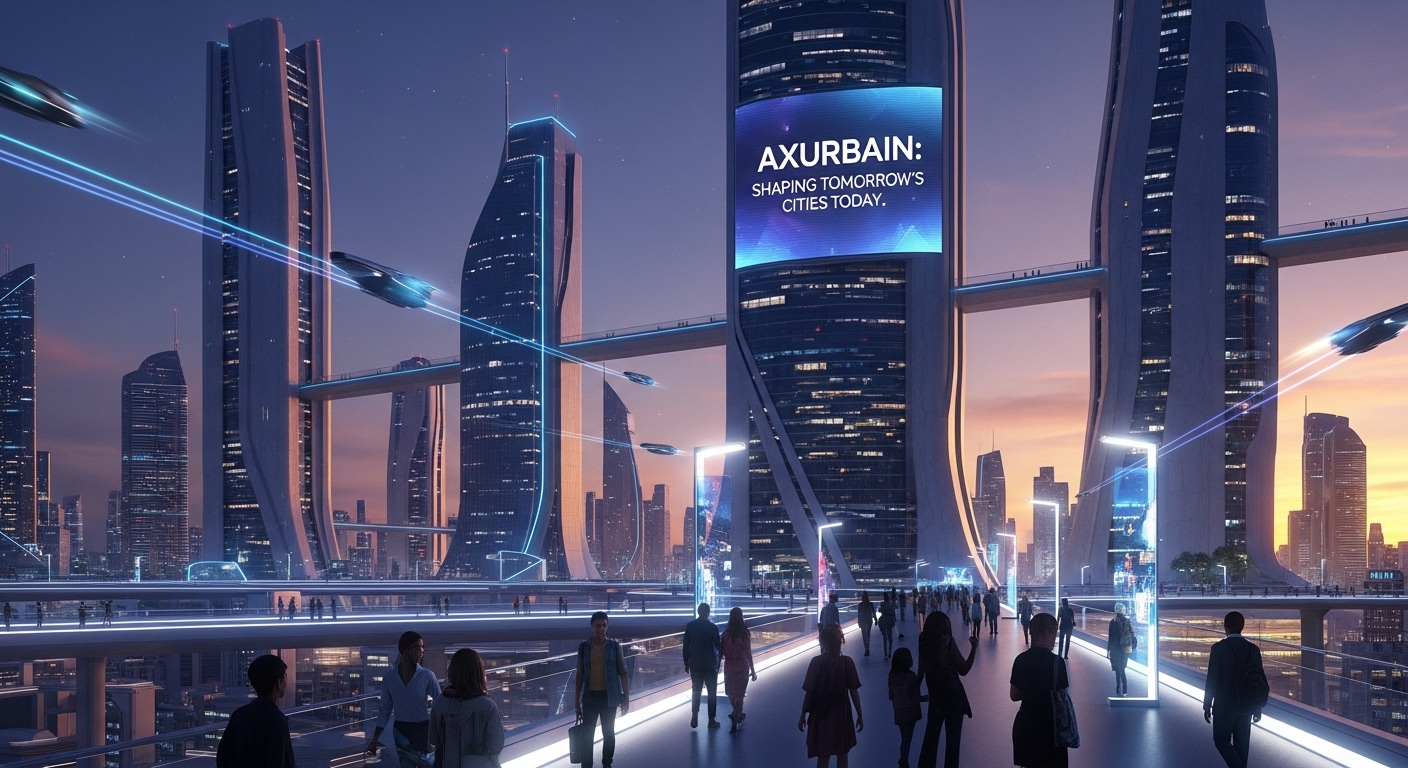
Welcome to the future of urban living. Imagine a world where cities are not just concrete jungles but vibrant ecosystems that prioritize sustainability, innovation, and community well-being. Enter Axurbain—a revolutionary concept designed to reshape our urban landscapes for generations to come. As we dive into the intricacies of Axurbain, you’ll discover how it is transforming cities today by blending cutting-edge technology with sustainable practices. Join us on this exploration of a vision that promises smarter, greener, and more connected communities worldwide. Ready to see how tomorrow’s cities are being crafted today? Let’s take a closer look at what makes Axurbain an absolute game-changer in urban development!
The Vision behind Axurbain
The vision behind Axurbain is rooted in the belief that cities should evolve to meet the needs of their inhabitants. This forward-thinking approach envisions urban spaces as dynamic ecosystems, where technology and community intertwine seamlessly.
At its core, Axurbain aims to create sustainable environments that prioritize quality of life. By integrating green spaces, smart infrastructure, and inclusive design principles, it fosters a sense of belonging among residents.
This vision also champions resilience against climate change. Axurbain advocates for solutions that reduce environmental impact while enhancing urban adaptability.
This innovative framework encourages collaboration among stakeholders—government entities, businesses, and citizens alike—to co-create vibrant urban landscapes for future generations. The focus remains on building not just structures but thriving communities that flourish together.
How Axurbain is Shaping Cities Today
Axurbain is revolutionizing urban landscapes across the globe. By integrating smart technologies, cities are becoming more responsive to the needs of their inhabitants.
Real-time data collection allows for better traffic management and resource allocation. This means less congestion and improved public transportation systems.
Furthermore, Axurbain promotes green spaces within city designs. Parks and community gardens enhance biodiversity while providing essential recreational areas for residents.
Sustainable building practices are also a focal point. The emphasis on eco-friendly materials leads to reduced carbon footprints in new developments.
Public participation plays a crucial role in Axurbain’s approach as well. Engaging citizens ensures that urban development reflects community needs and desires, fostering a sense of ownership among residents.
The result? Cities evolve into vibrant ecosystems where technology meets nature, creating livable environments for everyone involved.
Advancements in technology and sustainability
Technological advancements are revolutionizing urban living. Smart sensors, artificial intelligence, and IoT devices are at the forefront of this change. They enhance resource management and improve daily experiences for residents.
Sustainability is a key focus in these innovations. Energy-efficient buildings equipped with smart grids help reduce carbon footprints. Green technologies promote renewable energy sources, making cities cleaner.
Urban mobility is also transforming thanks to electric vehicles and shared transport platforms. These solutions lessen traffic congestion while minimizing pollution levels.
Moreover, data analytics plays a crucial role in optimizing city services like waste management and water supply. By harnessing real-time information, cities can make informed decisions that lead to sustainable growth.
Together, technology and sustainability create adaptive environments that thrive on efficiency. This synergy paves the way for future-ready urban landscapes where quality of life improves alongside ecological preservation.
Impact of Axurbain on Urban Planning and Development
Axurbain is revolutionizing urban planning with a fresh perspective. By integrating innovative technologies, cities can adapt to the evolving needs of their residents.
One key aspect is data-driven decision-making. Urban planners now harness real-time analytics to evaluate traffic flow and public transportation efficiency. This results in smarter infrastructure that benefits daily commuters.
Sustainability also plays a pivotal role. Axurbain emphasizes green spaces, energy-efficient buildings, and eco-friendly transport solutions. These initiatives foster healthier environments for city dwellers.
Community engagement has transformed as well. Citizens are encouraged to participate actively in development plans through digital platforms. This collaboration ensures that projects reflect the true desires of local populations.
As urban areas continue to expand, Axurbain’s influence will shape more inclusive and resilient communities while addressing challenges head-on.
Success stories of cities that have implemented Axurbain’s strategies
Cities around the world are reaping the rewards of Axurbain’s innovative strategies. Take Barcelona, for instance. By prioritizing green spaces and smart mobility solutions, the city has transformed urban life, promoting sustainability while enhancing residents’ quality of life.
In Singapore, vertical gardens and integrated public transport systems have drastically reduced carbon footprints. This approach not only addresses environmental concerns but also fosters a sense of community among its diverse population.
Meanwhile, Medellín in Colombia has embraced Axurbain principles to revitalize underprivileged neighborhoods. Through inclusive urban design and improved infrastructure, the city has lifted thousands out of poverty while creating vibrant public spaces that encourage social interaction.
These examples illustrate how cities can leverage Axurbain’s vision to create thriving ecosystems that benefit both people and nature.
Challenges and limitations of implementing Axurbain’s concepts
Implementing Axurbain’s concepts is not without its hurdles. One major challenge is the resistance from traditional urban planners and stakeholders who may be hesitant to embrace new methodologies. Change often meets skepticism.
Another limitation lies in financial constraints. Cities operating on tight budgets might struggle to allocate resources for innovative projects, particularly those that require significant upfront investment.
Additionally, technological integration can prove difficult. Not every city has the necessary infrastructure or digital literacy among its workforce to support advanced systems proposed by Axurbain.
Cultural differences play a role. Each city has unique social dynamics that affect how residents receive and adapt to new urban strategies based on Axurbain’s vision. Balancing these diverse perspectives remains an ongoing challenge in achieving cohesive development.
Future predictions for the urban landscape with Axurbain’s influence
The future urban landscape is poised for a transformation, largely driven by Axurbain’s innovative approach. Imagine cities designed with integrated green spaces and smart infrastructure that adapts to the needs of residents.
As technology evolves, we can expect a rise in sustainable materials shaping buildings. Urban areas will blend nature with architecture seamlessly, promoting biodiversity while enhancing quality of life.
Transportation networks are likely to become more efficient. Autonomous vehicles could revolutionize how people commute, significantly reducing congestion and pollution levels.
Community engagement will play an essential role as citizens participate in planning their environments. This grassroots involvement fosters a sense of ownership and accountability among residents.
With Axurbain’s influence, cities may also embrace circular economies. Waste reduction initiatives will thrive alongside renewable energy sources powering homes and businesses alike. The future looks bright for urban living where sustainability meets innovation at every corner.
Conclusion
Axurbain is not just a concept; it represents a transformative approach to urban living. As cities continue to evolve, the principles of Axurbain guide us toward more sustainable and technologically advanced environments. By embracing innovation and prioritizing community needs, we can build cities that are resilient, efficient, and enjoyable for everyone.
The successes seen in various cities implementing Axurbain’s strategies serve as powerful examples of what is possible when vision meets action. Yet, challenges remain that need addressing—balancing technological advancements with accessibility and inclusivity demands careful consideration.
Looking ahead, the influence of Axurbain promises a future where urban landscapes are shaped by collaboration between technology and nature. The ongoing dialogue around these concepts will be crucial as we navigate the complexities of modern urbanization. With each step taken today towards this vision, tomorrow’s cities become ever closer to reality—a testament to human ingenuity and our commitment to creating better living spaces for generations to come.