 By Annie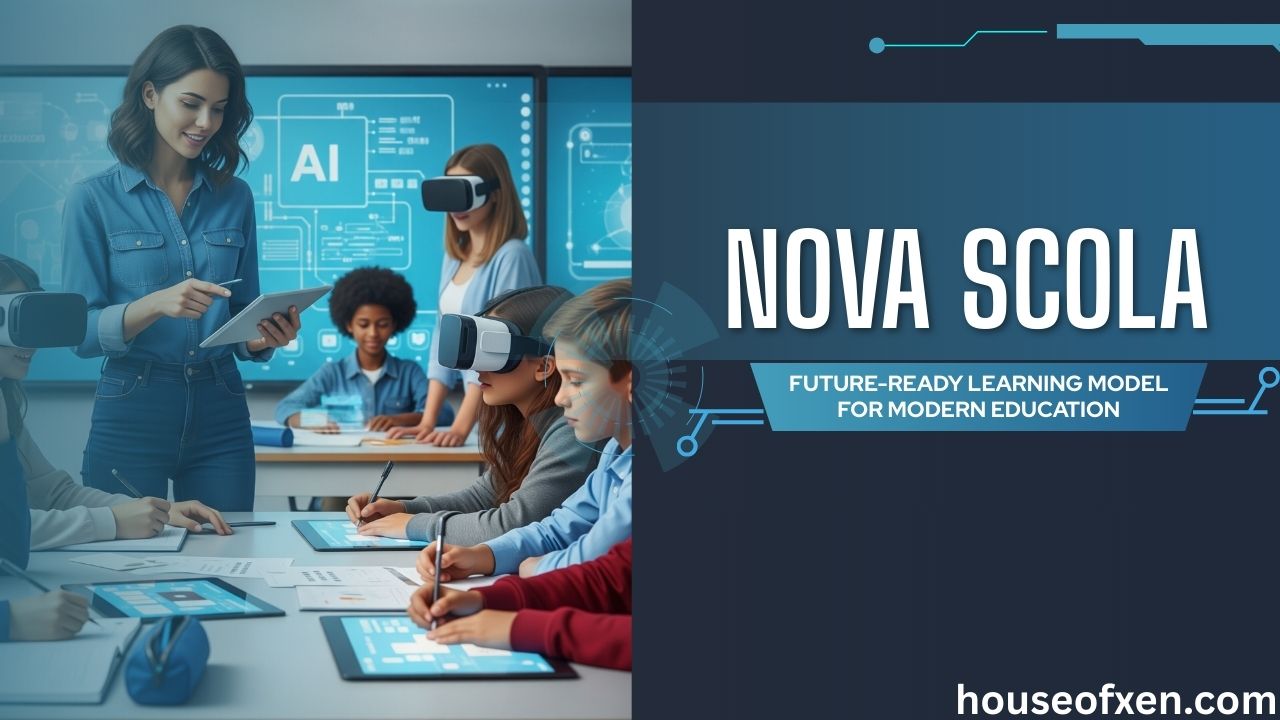
Education is at a crossroads. With the rapid pace of technological advancement and shifting societal needs, traditional learning models are struggling to keep up. Enter Nova Scola—a revolutionary approach designed to prepare students for the complexities of modern life. This innovative framework reimagines how we think about teaching and learning, focusing on adaptability, creativity, and real-world application. As educators and institutions worldwide seek solutions that resonate with today’s learners, Nova Scola emerges as a beacon of hope for redefining educational success in this new era.
The need for a modern approach to education
Education is evolving rapidly. Traditional methods are no longer enough to prepare students for the complexities of today’s world. With technology advancing at lightning speed, a modern approach is essential.
Students face challenges that previous generations could hardly imagine. From global issues like climate change to navigating digital landscapes, they need skills beyond rote memorization. Critical thinking, creativity, and adaptability have become crucial.
Moreover, learning should be relevant and engaging. Outdated curricula often fail to spark interest or connect with real-world applications. This disconnect can lead to disengaged learners who struggle in both school and life.
A fresh perspective on education encourages collaboration over competition and fosters emotional intelligence alongside academic achievement. It prioritizes personalized learning experiences tailored to individual strengths and interests—an approach that resonates deeply with today’s youth seeking meaningful engagement in their educational journey.
How Nova Scola addresses the current education system’s shortcomings
Nova Scola is a breath of fresh air for modern education. It tackles the rigid structures that traditional classrooms often impose.
One major shortcoming of the current system is its one-size-fits-all approach. Nova Scola embraces personalized learning, allowing students to progress at their own pace and according to their unique strengths.
Moreover, it emphasizes critical thinking over rote memorization. This shift encourages students to engage deeply with materials rather than simply regurgitating facts during exams.
Collaborative projects play a crucial role in this model as well. By working together, students develop teamwork skills essential for the real world while fostering creativity and innovation.
Nova Scola integrates technology seamlessly into the learning experience. This engagement prepares learners not just for school but also for future careers where digital literacy is non-negotiable.
Key features and principles of Nova Scola
Nova Scola stands out with its focus on personalized learning. Each student’s journey is tailored to their unique needs and interests. This approach fosters engagement and encourages self-directed exploration.
Collaboration plays a significant role in the Nova Scola model. Students work together, sharing ideas and solving problems collectively. Such teamwork not only enhances learning but also prepares them for real-world scenarios.
Another key principle is integrating technology seamlessly into the curriculum. Tools like interactive platforms and digital resources are utilized, making education more relevant to today’s digital natives.
Continuous assessment replaces traditional grading systems in Nova Scola. Regular feedback helps students understand their progress without the pressure of exams, fostering a growth mindset that emphasizes improvement over competition.
Success stories of schools implementing Nova Scola model
Many schools across the globe have embraced the Nova Scola model with remarkable results. One standout example is a mid-sized institution in Europe that transformed its curriculum to focus on project-based learning. Students reported higher engagement levels, leading to improved academic performance and collaboration skills.
In another instance, a rural school district adopted Nova Scola principles to bridge educational gaps. Teachers received training in innovative teaching methods, which sparked creativity among students. As a result, standardized test scores rose significantly within just a few years.
Parents also noticed positive changes. Increased communication between families and educators fostered a strong community atmosphere around education. This collaborative environment not only motivated students but also inspired them to take ownership of their learning journey.
These success stories highlight that when schools implement the Nova Scola model thoughtfully, they can create vibrant educational ecosystems for both students and teachers alike.
Challenges and criticisms of Nova Scola
While the Nova Scola model offers a fresh perspective on education, it is not without its challenges. Some educators express concerns about the feasibility of implementing such an innovative approach within traditional school systems.
Critics argue that the shift to student-centered learning could create gaps in foundational knowledge. They worry that without structured teaching, essential skills may be overlooked.
Another concern revolves around resource allocation. Schools may struggle with funding and training necessary to adopt this new model effectively. This can lead to uneven implementation across different regions.
Additionally, some parents fear that too much freedom in learning might hinder their children’s academic growth. The balance between guidance and autonomy remains a hot topic among stakeholders in education.
Resistance from established institutions also poses a hurdle for widespread adoption of Nova Scola principles. Change often meets skepticism, especially when it comes to redefining educational success metrics.
The impact of Nova Scola on the future of education
The impact of Nova Scola on the future of education is profound and far-reaching. By embracing a holistic approach to learning, it addresses the demands of an ever-evolving world. This model nurtures critical thinking, creativity, and collaboration—skills essential for success in modern society.
As more schools adopt the Nova Scola framework, we witness a transformation in how students engage with their education. They become active participants rather than passive recipients. The personalized learning pathways fostered by this model allow each student to thrive according to their unique strengths and interests.
Moreover, educators are empowered through professional development opportunities that accompany this shift. Teachers equipped with innovative strategies can inspire their students like never before. The collaboration among staff encourages sharing best practices and nurturing a community focused on growth and improvement.
With technology integrated seamlessly into the curriculum, learners gain access to diverse resources that enhance their educational experience. Digital tools support individualized instruction while also fostering connectivity among peers across different geographical locations.
As these changes ripple throughout classrooms around the globe, they signal a new era in education—one centered on preparing young minds for challenges yet unseen. The ripples from Nova Scola extend well beyond individual institutions; they influence educational policy discussions at all levels.
Adopting such progressive models paves the way for reimagining what schooling looks like today—and tomorrow. Each step taken towards implementing Nova Scola brings us closer to realizing an inclusive system where every learner has the opportunity to shine brightly amidst our dynamic world.