
 By Annie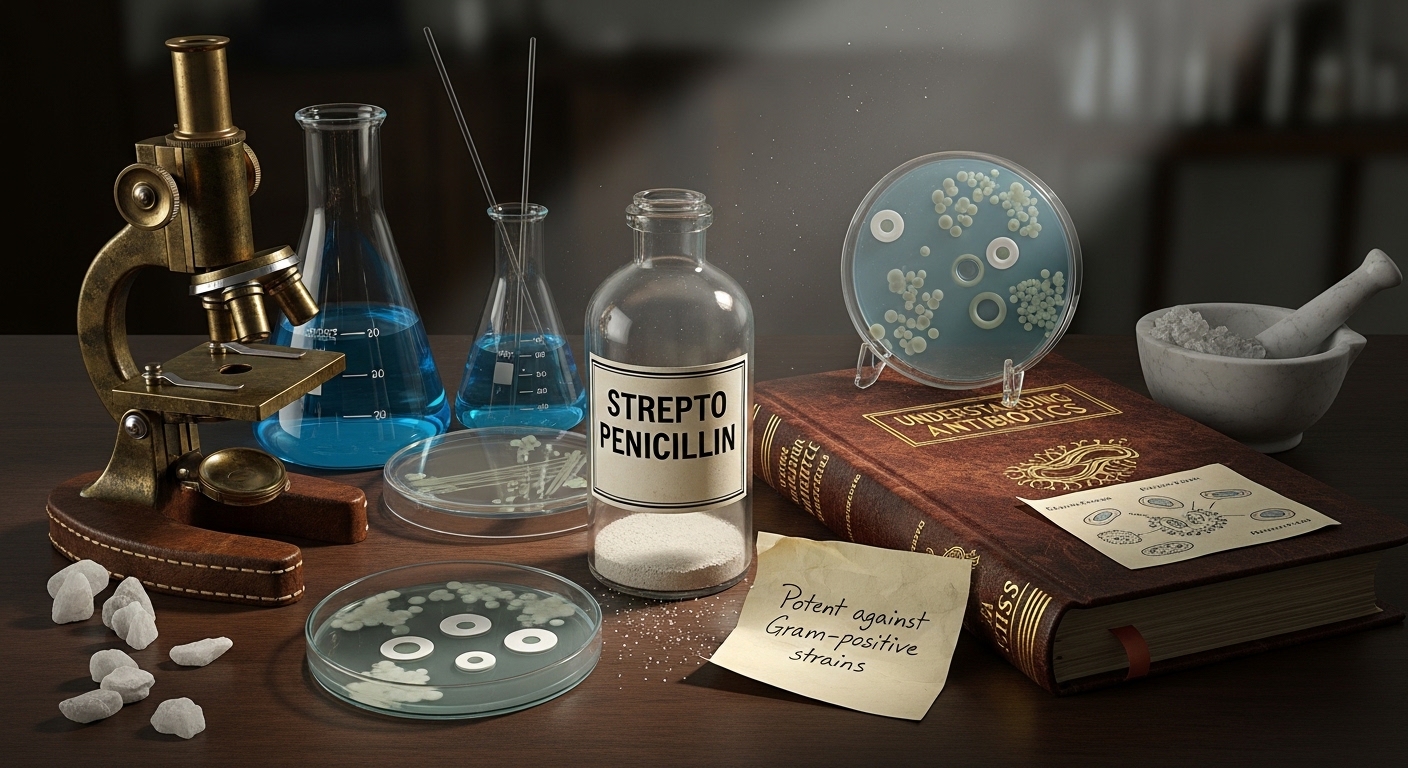
In the vast world of antibiotics, strepto penicillin stands out as a beacon of hope in treating bacterial infections. With its roots deeply embedded in medical history, this potent antibiotic has saved countless lives since its discovery. As we dive into the fascinating journey of strepto penicillin, we’ll unveil how it works to combat harmful bacteria and explore the various infections it targets. But like any powerful medication, it’s essential to understand both its strengths and limitations. Join us on this informative exploration that sheds light on one of medicine’s most significant breakthroughs!
The History and Discovery of Strepto Penicillin
Strepto penicillin emerged from the groundbreaking research of scientists in the mid-20th century. It is a natural antibiotic derived from the bacterium Streptomyces griseus.
The discovery was accidental, as many great scientific breakthroughs often are. Researchers were exploring ways to combat bacterial infections when they stumbled upon this powerful compound produced by soil-dwelling bacteria.
In 1943, Selman Waksman and his team recognized its potential against various pathogens. They conducted rigorous studies demonstrating its effectiveness, paving the way for medical use.
This development marked a significant leap forward in treating infectious diseases. Before strepto penicillin, options for serious bacterial infections were limited at best.
By introducing a new class of antibiotics into medicine, it transformed healthcare practices globally and offered hope to countless patients battling severe illnesses. Scientists continue to study its properties and applications today.
Types of Bacterial Infections Treated by Strepto Penicillin
Strepto penicillin is known for its effectiveness against a variety of bacterial infections. This antibiotic plays a crucial role in treating conditions caused by sensitive organisms.
One common infection it addresses is streptococcal pharyngitis, or strep throat. Caused by Streptococcus bacteria, this condition can lead to severe throat pain and fever.
Another major application involves skin infections like impetigo. The swift action of strepto penicillin helps clear the infection quickly, reducing discomfort and preventing complications.
Pneumonia caused by certain bacteria also responds well to treatment with this antibiotic. Patients often experience relief from symptoms as the medication begins to work on the underlying cause of their illness.
Additionally, strepto penicillin proves effective against syphilis, a sexually transmitted disease that requires prompt intervention to prevent serious health issues. Its broad spectrum makes it invaluable in medical settings where bacterial resistance is an ongoing concern.
Mechanism of Action: How Strepto Penicillin Kills Bacteria
Strepto penicillin works by targeting the bacterial cell wall, an essential structure for their survival. It inhibits the synthesis of peptidoglycan, a vital component that provides rigidity and strength to the wall.
As bacteria grow and divide, they need to constantly build new cell walls. When strepto penicillin interferes with this process, it leads to weakened walls. The result is a compromised barrier that cannot withstand internal pressure.
Once the integrity of the bacterial cell wall is disrupted, lysis occurs. This means the bacteria essentially burst due to osmotic imbalance.
The effectiveness of strepto penicillin against gram-positive bacteria makes it a powerful tool in combating various infections. Its selective action targets harmful microbes while sparing human cells from damage.
Common Side Effects of Strepto Penicillin
Strepto penicillin, like many antibiotics, can cause a range of side effects. While not everyone will experience them, it’s essential to be aware.
Some individuals may encounter gastrointestinal issues such as nausea or diarrhea. These symptoms can vary in intensity but often resolve once the medication is completed.
Allergic reactions are another concern. Symptoms might include rash, itching, or swelling. In severe cases, anaphylaxis could occur and requires immediate medical attention.
Other potential side effects involve changes in liver function tests. Regular monitoring during treatment ensures any abnormalities are caught early on.
Additionally, some patients report fatigue or dizziness while taking strepto penicillin. Staying hydrated and resting can help alleviate these feelings for most people.
Keeping open communication with healthcare providers about any noticeable side effects is crucial for safe antibiotic use.
Alternatives to Strepto Penicillin
When considering alternatives to it , several options come to mind. Different antibiotics target various types of bacteria effectively.
Amoxicillin is a common substitute. It belongs to the penicillin family and can treat similar infections. Doctors often prescribe it for respiratory or urinary tract infections.
Cephalosporins provide another alternative. This class of antibiotics works well against gram-positive and some gram-negative bacteria, making them versatile in treatment plans.
For patients allergic to penicillin derivatives, macrolides such as azithromycin or clarithromycin may be suitable choices. These are effective against many bacterial infections without the risk associated with penicillin allergies.
Tetracyclines like doxycycline also stand out as an option for treating acne and certain respiratory tract infections. However, they come with specific considerations regarding age and pregnancy status.
Each alternative has its own spectrum of effectiveness and potential side effects that should be discussed with healthcare providers before use.
Conclusion:
The role of antibiotics in modern medicine cannot be overstated. Strepto penicillin is a powerful tool against certain bacterial infections, but it comes with responsibilities. Understanding how and when to use this medication is essential for both patients and healthcare providers.
Misuse of antibiotics can lead to resistance, making once-treatable infections more challenging to manage. This emphasizes the need for patient education regarding antibiotic use—knowing when they are necessary and understanding potential side effects is crucial.
Healthcare professionals must also remain vigilant in prescribing practices. Prescribing strepto penicillin without confirming its necessity could contribute to growing issues surrounding antibiotic resistance.
Awareness about alternatives is equally important. Patients should discuss options with their doctors if they have concerns or questions about using strepto penicillin or any other antibiotic.
By fostering a deeper understanding of antibiotics like strepto penicillin, we can all play a part in preserving their effectiveness for future generations. The journey towards responsible antibiotic use begins with knowledge and communication between patients and healthcare providers alike.