
 By Annie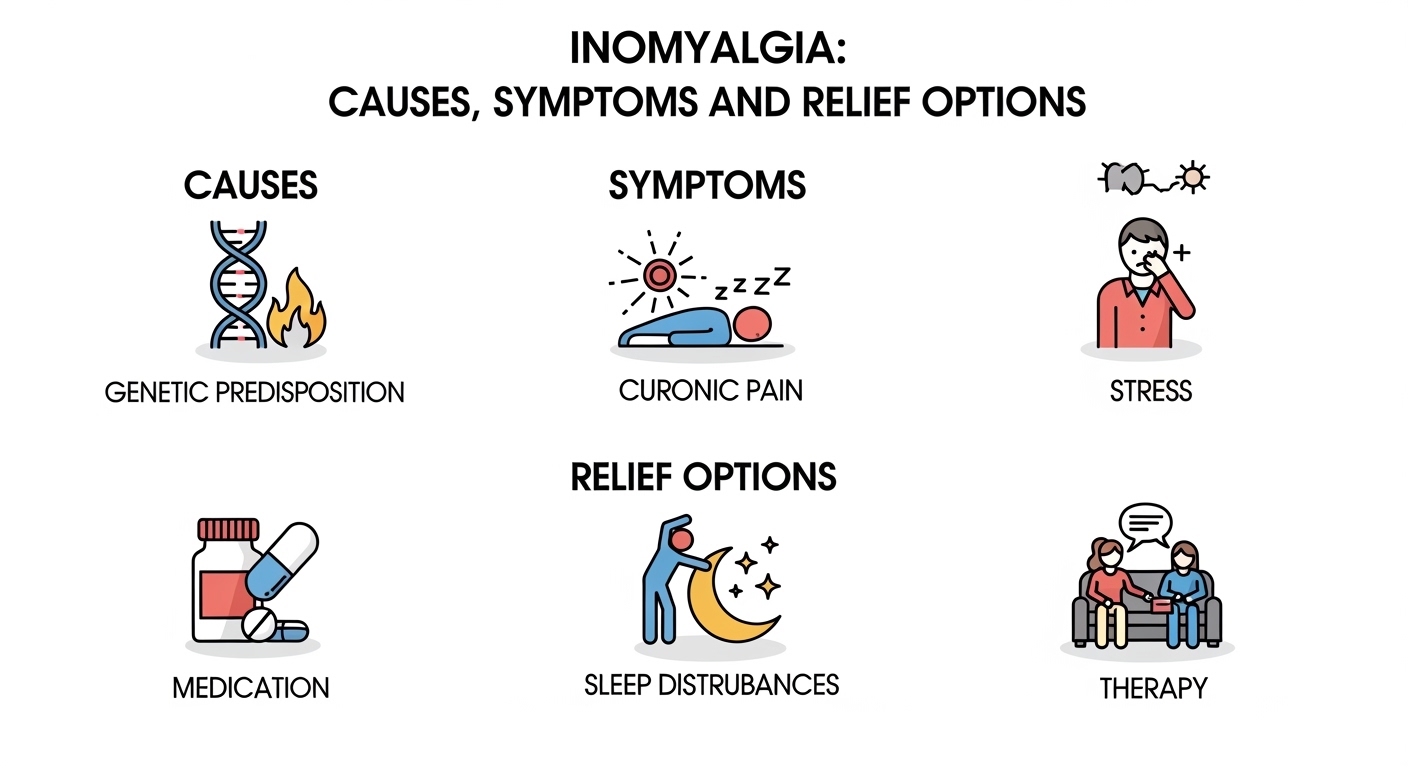
Fibromyalgia can feel like an invisible weight, pressing down on those who suffer from it. Many individuals experience a wide range of symptoms that impact their daily lives, yet this condition is often misunderstood or misdiagnosed. With its complex nature and varying manifestations, it’s no wonder that people are seeking clarity around inomyalgia.
In this comprehensive guide, we will explore what fibromyalgia truly is and delve into the causes behind it. You’ll learn to identify the common symptoms associated with this condition and discover how healthcare professionals diagnose it. We’ll also discuss treatment options available today along with natural remedies that may offer relief.
For those living with fibromyalgia, lifestyle changes can play a significant role in managing symptoms effectively. Support systems are vital too; understanding your journey doesn’t have to be done alone. Join us as we unravel the intricacies of inomyalgia and empower yourself with knowledge for better health management.
What is Fibromyalgia?
Fibromyalgia is a chronic condition that affects the way the brain processes pain signals. Individuals with this disorder often experience widespread musculoskeletal pain, fatigue, and tenderness in localized areas.
It can disrupt daily activities and diminish quality of life. Unlike other conditions, fibromyalgia doesn’t have visible symptoms like swelling or inflammation, making it hard to diagnose.
This complex syndrome also includes cognitive difficulties known as “fibro fog,” which can impact memory and focus. Many people describe feeling overwhelmed by exhaustion that doesn’t improve with rest.
Though its exact cause remains unclear, researchers believe a combination of genetic predisposition, environmental factors, and stress may play crucial roles in developing fibromyalgia. Understanding its nature is essential for those affected seeking proper treatment and support options.
Causes and Risk Factors of Fibromyalgia
Fibromyalgia’s exact causes remain elusive, but several factors may contribute. Genetics play a significant role; if someone in your family has fibromyalgia, you might be at higher risk.
Environmental triggers can also be influential. For instance, physical trauma or infections have been linked to the onset of this condition.
Hormonal changes might exacerbate symptoms as well. Many individuals report heightened discomfort during certain life stages, such as menopause.
Stress is another critical factor that should not be overlooked. Chronic stress can disrupt normal body functions and lead to increased sensitivity to pain.
Additionally, coexisting conditions like rheumatoid arthritis or lupus often correlate with fibromyalgia diagnoses. Understanding these risk factors can help in recognizing early signs and seeking appropriate care sooner rather than later.
Common Symptoms of Fibromyalgia
Fibromyalgia presents a variety of symptoms that can vary greatly from person to person. One of the most commonly reported issues is widespread pain. This discomfort often feels as if it’s radiating from deep within the muscles and joints.
Fatigue is another hallmark symptom. Many individuals find themselves exhausted, even after a full night’s sleep. This overwhelming tiredness can significantly impact daily activities and productivity.
Cognitive difficulties are also frequent companions of fibromyalgia. Known as “fibro fog,” these cognitive challenges include memory lapses and trouble concentrating, which can be frustrating for those affected.
Additionally, many experience sleep disturbances such as insomnia or restless leg syndrome, further complicating their ability to feel rested. Headaches and migraines may arise too, adding another layer to an already complex condition.
Sensitivity to touch, light, and sound can exacerbate everyday experiences for sufferers, making simple tasks feel daunting at times.
Diagnosis and Treatment Options
Diagnosing inomyalgia can be quite complex. There is no single test to confirm the condition. Healthcare providers typically rely on a combination of patient history, symptom evaluation, and physical exams.
Doctors often look for specific tender points across the body. These areas may hurt when pressed gently. A thorough assessment helps rule out other conditions with similar symptoms.
Treatment options vary based on individual needs. Medications like pain relievers and antidepressants are commonly prescribed to manage discomfort and improve mood.
Physical therapy also plays a crucial role. Tailored exercises can enhance strength and flexibility while reducing fatigue.
Additionally, cognitive behavioral therapy might benefit those coping with chronic pain by changing negative thought patterns associated with their condition. This multifaceted approach aims to restore functionality and quality of life for individuals living with inomyalgia.
Natural Remedies for Fibromyalgia Relief
Natural remedies offer hope for those struggling with inomyalgia. Many individuals seek alternative solutions alongside traditional treatments.
One popular option is acupuncture. This ancient practice involves inserting thin needles into specific points on the body, promoting pain relief and relaxation.
Herbal supplements like turmeric and ginger may also provide benefits. Both possess anti-inflammatory properties that can help ease discomfort associated with fibromyalgia symptoms.
Regular physical activity, such as yoga or swimming, can improve flexibility and reduce muscle tension. Gentle exercises are essential to maintaining mobility without exacerbating pain levels.
Mindfulness techniques, including meditation and deep breathing exercises, contribute to overall well-being. They help manage stress, which often triggers flare-ups in individuals living with this condition.
A balanced diet rich in omega-3 fatty acids may support brain health while reducing inflammation. Foods like salmon, walnuts, and flaxseeds should be included regularly for optimal results.
Coping with Fibromyalgia: Lifestyle Changes and Support Systems
Living with fibromyalgia can be challenging, but making certain lifestyle changes can enhance your quality of life. Prioritizing regular exercise is essential. Low-impact activities like walking or swimming can boost energy and help alleviate pain.
Nutrition plays a crucial role too. A balanced diet rich in fruits, vegetables, and whole grains supports overall health. Staying hydrated is equally important; water aids in reducing fatigue and improving mood.
Establishing a solid support system can make all the difference. Connecting with friends who understand your journey fosters emotional resilience. Joining local support groups or online communities allows you to share experiences and gain valuable insights from those facing similar challenges.
Mindfulness practices such as meditation or yoga promote relaxation and stress relief, which are vital for managing symptoms effectively. Incorporating these strategies into daily routines empowers you to take control of fibromyalgia while nurturing both body and mind.
Conclusion
Understanding inomyalgia is essential for those affected by this complex condition. It can be challenging to navigate the myriad of symptoms and treatment options available. However, recognizing what fibromyalgia involves helps individuals feel more empowered.
The causes remain somewhat elusive, with a combination of genetic, environmental, and psychological factors playing a role. Those at risk should stay informed about potential triggers and pay attention to their overall health.
Symptoms vary greatly from person to person but often include widespread pain, fatigue, sleep disturbances, and cognitive issues. These challenges can significantly impact daily life.
Diagnosis requires careful evaluation by healthcare professionals who consider medical history alongside symptom presentation. Treatment typically includes medication combined with lifestyle adjustments tailored to each individual’s needs.
Natural remedies provide additional avenues for relief that many find beneficial. Techniques such as yoga or acupuncture may help alleviate some discomfort associated with inomyalgia.
Adopting healthy lifestyle changes plays an invaluable role in managing fibromyalgia effectively. Support systems are equally important; connecting with others facing similar struggles can foster resilience and understanding.
Living with inomyalgia demands patience and adaptability but is manageable through awareness, support, and proactive strategies focused on well-being.