
 By Annie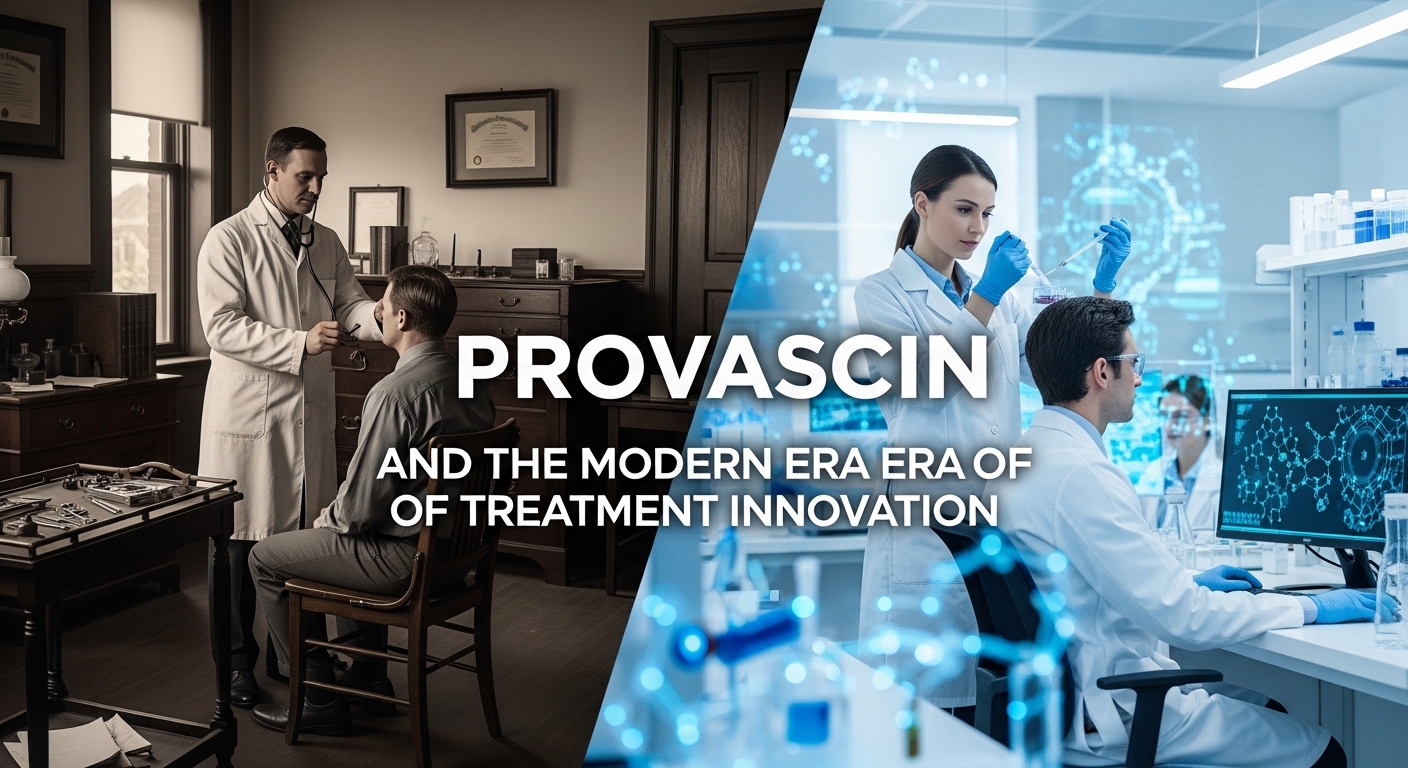
In a world where medical advances seem to emerge at lightning speed, the quest for innovative treatments often leads us down thrilling paths. Among these recent discoveries is Provascin, a breakthrough that has captured the attention of healthcare professionals and patients alike. What makes this treatment stand out in an era brimming with possibilities? As we dive deeper into its history, effectiveness, and real-world impact, you’ll see why Provascin is not just another name on the pharmaceutical shelf—it’s a potential game-changer in modern medicine. Join us as we explore how this revolutionary treatment could redefine healing and patient care.
Understanding the History of Medical Treatment
The history of medical treatment is a tapestry woven with innovation, trial, and error. Ancient civilizations utilized herbs and natural remedies, laying the groundwork for future healing practices. The Egyptians documented their findings on papyrus scrolls, while traditional Chinese medicine introduced acupuncture thousands of years ago.
As societies evolved, so did our understanding of anatomy and physiology. The Renaissance sparked a renewed interest in science and dissection. Figures like Hippocrates began to emphasize observation over superstition.
Fast forward to the 19th century—the germ theory revolutionized healthcare by linking microorganisms to disease. Vaccines emerged as powerful tools against infectious illnesses, saving countless lives.
Throughout the 20th century, technological advancements led to groundbreaking treatments such as antibiotics and advanced surgical techniques. Each era built upon its predecessors’ knowledge, paving the way for modern therapies that continue to evolve rapidly today.
Introduction to Provascin: A Game-Changer in Modern Medicine
Provascin is quickly gaining recognition as a revolutionary treatment in modern medicine. Its innovative approach addresses health issues that have long challenged medical professionals.
This medication has been developed to target specific conditions, providing hope where traditional therapies may fall short. Provascin’s formulation allows for more precise intervention, potentially leading to faster recovery times and improved patient experiences.
What sets Provascin apart is its focus on individualized care. By tailoring treatments based on unique patient profiles, it enhances the effectiveness of therapy while minimizing side effects.
As healthcare evolves, Provascin embodies the shift towards personalized medicine. This commitment to innovation not only improves outcomes but also transforms how we view treatment options in an ever-changing landscape. The excitement surrounding this drug reflects a broader trend toward more effective therapeutic solutions that can redefine patient care standards worldwide.
The Science Behind Provascin’s Effectiveness
Provascin is rooted in cutting-edge pharmacological research. Its formulation targets specific biological pathways, enhancing therapeutic outcomes.
At its core, Provascin acts on receptors that modulate crucial neurotransmitter activity. This precision allows for a more effective response within the body’s complex systems.
Research reveals that Provascin not only alleviates symptoms but also promotes healing at a cellular level. By stimulating regeneration processes, it supports longer-lasting improvements.
Clinical trials have shown promising results across various conditions. Patients often report enhanced quality of life and reduced need for traditional medications.
Mechanistically, understanding how Provascin influences metabolic functions sheds light on its broad applicability in treatment regimens. The potential to tailor therapies around individual patient needs marks a significant leap forward in modern medicine.
Case Studies and Success Stories
Provascin has demonstrated remarkable results in various clinical settings. One notable case involved a patient suffering from chronic pain due to nerve damage. After integrating Provascin into their treatment plan, the patient’s discomfort significantly decreased within weeks.
Another success story features individuals battling severe anxiety disorders. With the addition of Provascin, many reported enhanced mood stability and improved overall mental health indicators. This positive change allowed them to engage more fully in daily activities.
A recent study highlighted its potential for treating certain autoimmune conditions as well. Patients experienced reduced inflammation and increased mobility after incorporating Provascin into their regimen.
These diverse cases illustrate the versatility of Provascin across different medical challenges, showcasing hope for patients seeking effective alternatives where traditional treatments fell short. Each success story underscores not just individual improvement but also a shift toward innovative solutions in healthcare practices today.
Potential Benefits and Applications of Provascin
Provascin opens the door to numerous potential benefits across various medical fields. Its unique formulation has shown promise in enhancing treatment outcomes for patients with specific conditions.
One of its most intriguing applications is in the management of chronic pain. Patients report significant relief when Provascin is integrated into their treatment plans, allowing them to regain mobility and improve quality of life.
Additionally, Provascin has been explored as an adjunct therapy in mental health treatments. Early studies suggest it may help alleviate symptoms associated with anxiety and depression, offering a new path for those who have not found success with traditional medications.
The versatility of Provascin also extends to cardiovascular health. Researchers are investigating its effects on blood pressure regulation, which could lead to groundbreaking advancements in heart disease management.
With ongoing research, more applications are likely to emerge, positioning Provascin as a vital tool for healthcare professionals.
Challenges and Controversies Surrounding Provascin
Provascin’s rise has not been without its share of challenges and controversies. Some medical professionals question its long-term safety, urging caution before widespread adoption.
Concerns about potential side effects have sparked debates among researchers. While many tout the drug’s effectiveness, critics emphasize the need for more extensive clinical trials to validate these claims fully.
Another point of contention is accessibility. Provascin may come with a high price tag, limiting availability for patients who could benefit from it most. This raises ethical questions about equitable healthcare.
Regulatory hurdles also play a role in delaying broader acceptance. Navigating the complex landscape of medical approvals can be slow and cumbersome, leaving some wary of how soon it might become widely available.
These factors create an intricate web of discussion around Provascin that continues to evolve as new data emerges and public opinion shifts.
Future Outlook for Provascin and the Medical Field
The future of Provascin in the medical field is bright and full of potential. As researchers continue to explore its applications, new treatment avenues are emerging.
Ongoing clinical trials are expected to expand its use beyond current indications. This could lead to breakthroughs in managing complex conditions that have long eluded effective treatments.
Integration with digital health technologies may also enhance patient outcomes. Remote monitoring combined with Provascin’s effects can provide tailored therapies for individuals.
Moreover, as healthcare evolves towards personalized medicine, Provascin might play a pivotal role in creating customized treatment plans based on genetic profiles or biomarkers.
Collaboration between pharmaceutical companies and research institutions will be essential. These partnerships can accelerate innovation and improve accessibility for patients worldwide.
As we move forward, the commitment to safety and rigorous testing remains paramount. Balancing rapid development with ethical considerations will shape the trajectory of Provascin’s future impact on healthcare.
Conclusion:
The emergence of Provascin marks a pivotal moment in the landscape of medical treatment. Its innovative formulation and unique approach to addressing various health conditions have captured the attention of both healthcare professionals and patients alike. As we navigate through complex medical challenges, treatments like Provascin offer new hope and possibilities.
With its impressive track record backed by scientific research, many are optimistic about its potential benefits across numerous applications. The success stories shared by patients highlight not just improvements in their physical well-being but also enhancements in their quality of life.
However, as with any groundbreaking treatment, it is essential to remain vigilant regarding the associated challenges and controversies. Continuous dialogue among researchers, practitioners, and policymakers will be vital for maximizing Provascin’s efficacy while ensuring patient safety.
Looking ahead, innovation within the realm of medicine is crucial. With ongoing studies exploring further uses for Provascin, this treatment could redefine therapeutic approaches to various diseases. It embodies a blend of tradition and modernity that resonates deeply within today’s fast-evolving healthcare environment.
As we embrace these advancements, it’s clear that treatments like Provascin have the potential to shape future practices significantly—ushering us into an era where enhanced patient care becomes not just a goal but a reality. The journey has only begun; how we harness such innovations will determine our path forward in modern medicine.