
 By Annie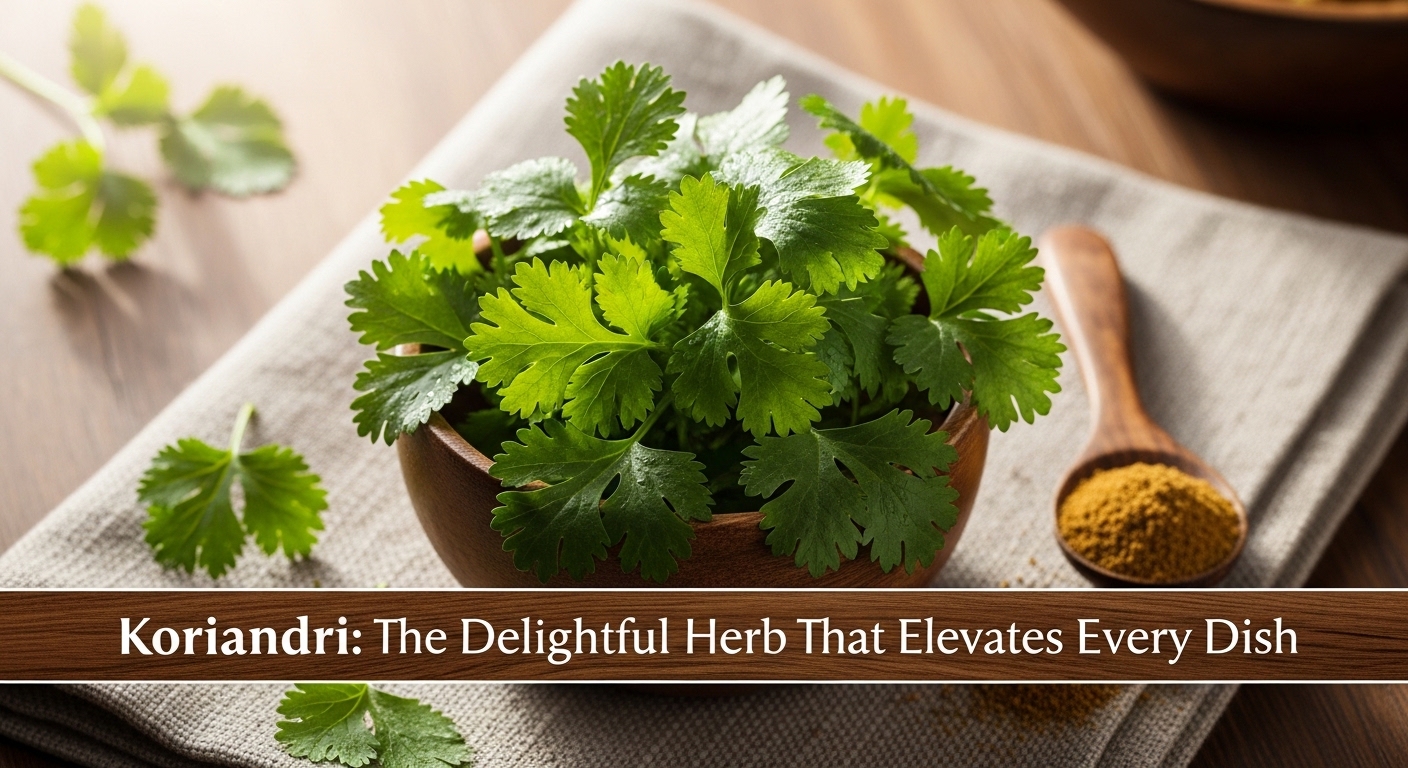
Koriandri, also known as cilantro or coriander, is a vibrant herb that brings life to dishes around the world. Its bright green leaves and distinctive flavor can transform the most mundane meals into culinary masterpieces. Whether sprinkled fresh over tacos or blended into a zesty salsa, koriandri adds an aromatic punch that’s hard to resist.
But this delightful herb isn’t just about taste; it has a rich history and numerous health benefits that make it even more appealing. If you’re eager to explore how koriandri can elevate your cooking while enhancing your well-being, you’re in for a treat! Let’s dive deeper into this incredible herb and discover all that it has to offer.
History and Origin of Koriandri
Koriandri, known as cilantro in North America and coriander in many other parts of the world, has a rich history that dates back thousands of years. It is believed to have originated in regions around the Mediterranean and Asia.
Ancient Egyptians cherished koriandri for its fragrant leaves and seeds. They even used it in embalming rituals due to its aromatic qualities. The herb was mentioned in ancient texts, including the Bible, highlighting its long-standing presence in human culture.
As trade routes expanded during antiquity, koriandri traveled across continents. It found favor not only in European kitchens but also became integral to Asian cuisine. Its unique flavor profile made it a staple ingredient from India to Mexico.
Today, koriandri continues to play a vital role globally. Whether fresh or dried, this herb connects us with centuries of culinary tradition and cultural exchange.
Health Benefits of Koriandri
Koriandri is more than just a flavorful herb; it’s packed with health benefits. Rich in antioxidants, it helps combat oxidative stress and supports overall well-being.
This delightful plant is known to aid digestion as well. Including koriandri in your meals can soothe an upset stomach and enhance your body’s ability to absorb nutrients.
Moreover, koriandri contains essential vitamins like A, C, and K. These contribute to healthy skin, improved immunity, and strong bones.
Its anti-inflammatory properties are also significant. They may help reduce the risk of chronic diseases by lowering inflammation levels in the body.
Additionally, koriandri has been linked to heart health. It can help lower bad cholesterol while boosting good cholesterol levels when included regularly in your diet.
How to Use Koriandri in Cooking
Koriandri can brighten up a dish with its fresh, zesty flavor. It’s perfect for both cooked and raw preparations.
Chop the leaves finely and sprinkle them over salads or tacos just before serving. This keeps their vibrant green color intact while adding a burst of taste.
For soups and stews, toss in whole sprigs during cooking to infuse the broth with aromatic notes. Remove them before serving for a subtle hint of flavor.
If you’re making salsas or dips, blend koriandri into your mixtures to enhance freshness. The herb pairs beautifully with lime juice, garlic, and tomatoes.
Don’t forget about the seeds! Coriander seeds offer earthiness when ground into spice blends or used in pickling brines.
Experimenting with this herb opens up endless culinary possibilities that can transform everyday meals into something special.
Delicious Recipes Using Koriandri
Koriandri brings a burst of flavor to numerous dishes. One popular way to use it is in salsa. Combine diced tomatoes, onions, lime juice, and plenty of chopped koriandri for a refreshing topping.
For those craving something warm, try adding koriandri to your favorite curry. The herb complements spices beautifully, enhancing the overall taste profile.
Don’t forget about salads! Toss fresh leaves into a vibrant mix of greens, avocado, and citrus dressing for an uplifting crunch.
If you’re looking for something unique, consider making koriandri pesto. Blend it with nuts and cheese for a zesty twist on the classic Italian sauce.
Sprinkle freshly chopped koriandri over grilled meats or fish just before serving. This simple touch adds both color and freshness to your plate.
Cultivating and Growing Your Own Koriandri
Growing your own koriandri is rewarding and surprisingly easy. This herb thrives in well-drained soil with plenty of sunlight. Aim for a spot that gets at least six hours of direct light each day.
Start by sowing seeds directly into the garden or in pots. Plant them about half an inch deep, spaced a few inches apart to allow room for growth. Water gently but consistently; damp soil promotes healthy germination.
Koriandri prefers cooler temperatures, so spring and fall are ideal planting seasons. Keep an eye on the leaves as they grow; you can harvest them when they’re vibrant and lush.
Regular trimming helps prevent flowering, which can alter the taste. Enjoy snipping fresh leaves right from your garden to enhance dishes instantly!
Conclusion:
Koriandri is more than just a garnish; it’s a powerhouse of flavor that can transform any dish. This herb adds freshness and vibrancy to meals, enhancing everything from salsas to soups. Its versatility allows you to experiment with various cuisines, whether you’re whipping up an Asian stir-fry or a classic Mexican salsa.
With its rich history and health benefits, incorporating koriandri into your daily cooking routine makes sense. You not only elevate the taste of your dishes but also boost nutritional value. Plus, growing your own koriandri at home can be rewarding—providing fresh herbs right at your fingertips.
So next time you’re in the kitchen, don’t forget about this delightful herb. Embrace its unique flavor profile and let it inspire new culinary adventures in your cooking journey!