
 By Annie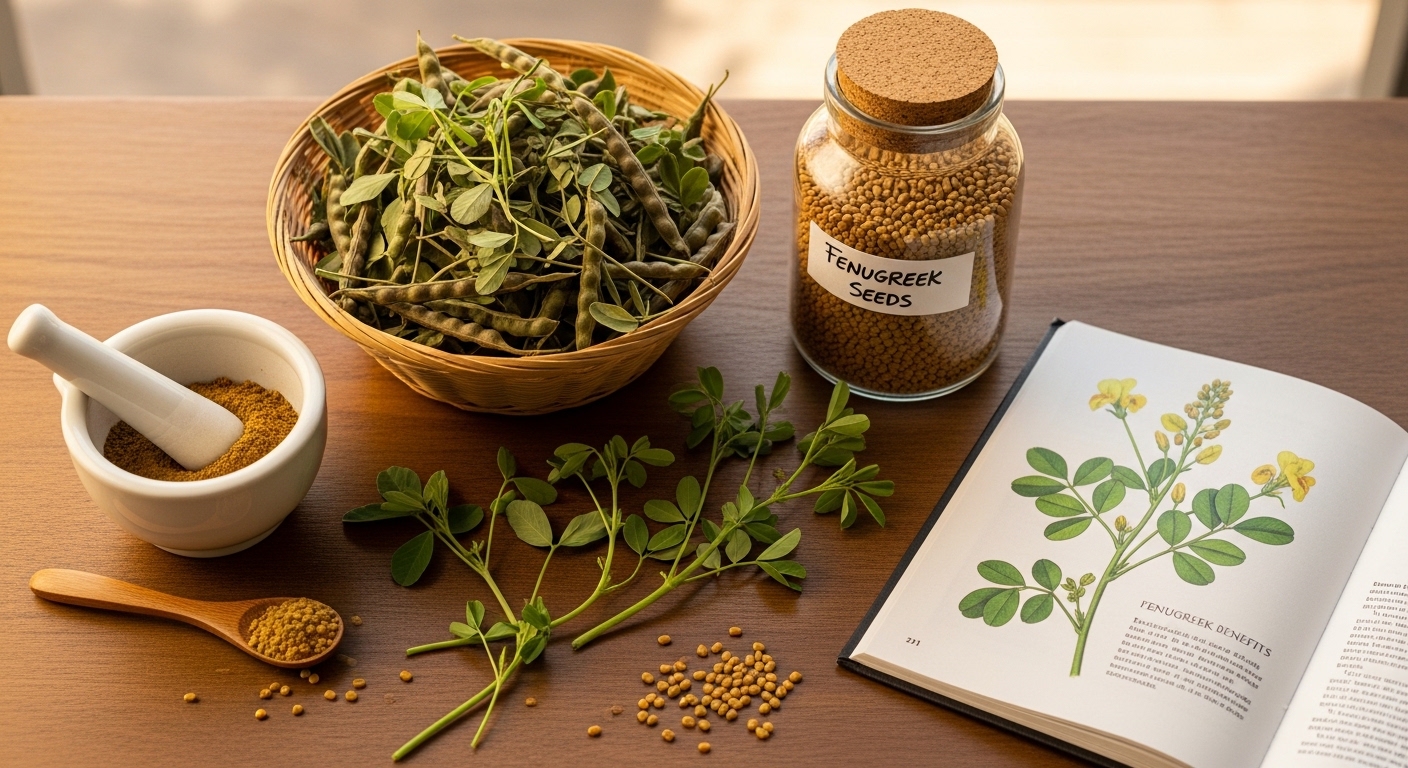
Foenegriek, also known as fenugreek, is not just another herb hidden away in the spice cabinet. Its golden seeds and aromatic leaves have been cherished for centuries across various cultures. From ancient medicine to modern kitchens, foenegriek has carved out a special place in our lives. But what makes this herb so remarkable? With a rich history and an impressive array of health benefits, foenegriek deserves your attention. Let’s dive into its fascinating journey from the past to today, uncovering the nutritional treasures it offers along the way!
History and Origins of Foenegriek
Foenegriek, known as fenugreek in English, boasts a rich history dating back thousands of years. This herb has its roots in the Mediterranean region and has been cultivated since ancient civilizations.
The Egyptians revered foenegriek for its therapeutic properties and even used it in mummification rituals. Meanwhile, Indian culture embraced this herb, incorporating it into culinary dishes and traditional medicine.
In Ancient Greece and Rome, foenegriek was recognized not just for flavor but also for its medicinal benefits. It was often employed to treat ailments like digestive issues and respiratory conditions.
Throughout the ages, this versatile plant traveled across continents. Today, foenegriek is celebrated worldwide—not only as a spice but also as a powerful natural remedy. Its journey through time illustrates how deeply intertwined our health is with nature’s offerings.
Nutritional Profile of Foenegriek
Foenegriek, commonly known as fenugreek, is a powerhouse of nutrition. This herb boasts a rich array of vitamins and minerals that can enhance your overall health.
It contains significant amounts of iron, magnesium, and manganese. These nutrients play vital roles in energy production and metabolic function. The presence of B vitamins also supports nerve function and helps with the formation of red blood cells.
Additionally, foenegriek is high in dietary fiber. This makes it beneficial for digestive health while promoting feelings of fullness. Its unique profile includes phytonutrients that contribute to its antioxidant properties.
Protein content is another highlight; it’s particularly valuable for vegetarians seeking plant-based sources. Each serving delivers essential amino acids needed for muscle repair and growth.
With such an impressive nutritional composition, foenegriek stands out as more than just a culinary spice—it’s truly a health-enhancing herb.
Health Benefits of Foenegriek
Foenegriek, often known as fenugreek, is packed with health benefits that have captured the attention of many. One notable advantage is its ability to improve digestion. The fiber content helps regulate bowel movements and reduce bloating.
Additionally, foenegriek can assist in lowering cholesterol levels. Studies indicate that it may help decrease LDL cholesterol while boosting HDL levels, promoting heart health.
For breastfeeding mothers, this herb is a boon. It has been shown to enhance milk production naturally, making it a go-to supplement for nursing women.
Moreover, research suggests potential anti-cancer properties linked to foenegriek. Some compounds found in the seeds exhibit effects that could slow cancer cell growth and offer protective benefits against certain types of cancer.
Incorporating this ancient herb into your daily routine might just be the key to unlocking these remarkable health benefits.
A. Improved Digestion
Foenegriek, known for its distinct flavor, also offers impressive digestive benefits. This herb is rich in soluble fiber, which plays a crucial role in maintaining gut health.
When consumed, foenegriek helps to regulate bowel movements. It can alleviate issues such as constipation and bloating by promoting smooth digestion. The mucilage content soothes the intestinal lining, making it easier for nutrients to absorb.
Additionally, foenegriek may aid in balancing stomach acid levels. This balance can reduce heartburn and indigestion symptoms significantly. Its anti-inflammatory properties further contribute to a healthier digestive system.
Incorporating this herb into your meals could be an easy step towards better digestion without resorting to harsh medications or supplements. For those seeking natural remedies, foenegriek stands out as a potent ally in achieving gastrointestinal comfort and health.
B. Lowered Cholesterol Levels
Foenegriek has garnered attention for its potential to lower cholesterol levels. This ancient herb is packed with soluble fiber, which plays a crucial role in managing heart health.
Studies suggest that foenegriek may help reduce LDL (bad cholesterol) while promoting HDL (good cholesterol). Including this herb in your daily routine could support better cardiovascular function.
The saponins and flavonoids found in foenegriek are believed to aid the body’s natural processes for breaking down fats. As you incorporate it into meals, consider how its rich flavor can enhance your dishes.
Whether sprinkled on salads or brewed as tea, foenegriek offers versatility alongside its health benefits. Keeping an eye on cholesterol is important, and adding this herb might just be a tasty way to do so.
C. Enhanced Milk Production in Breastfeeding Mothers
Foenegriek has gained attention for its potential benefits in enhancing milk production among breastfeeding mothers. This herb contains compounds that may stimulate lactation, making it a popular choice for nursing moms.
Studies suggest that the galactagogue properties of foenegriek can support increased breast milk supply. Many women have reported noticeable improvements after incorporating this herb into their diets.
Beyond boosting lactation, foenegriek is rich in essential nutrients like vitamins and minerals, which are vital during breastfeeding. These nutrients not only benefit the mother but also contribute to the health of her baby.
Using foenegriek as part of a balanced diet might create a nurturing environment for both mother and child. Whether through teas or supplements, many find it an appealing option during their breastfeeding journey.
D. Potential Anti-Cancer Properties
Foenegriek has garnered attention for its potential anti-cancer properties. Research suggests that the compounds found in this herb, particularly flavonoids and alkaloids, may play a role in inhibiting tumor growth.
Studies indicate that foenegriek can induce apoptosis, which is the process of programmed cell death essential for eliminating cancer cells. This mechanism helps prevent the spread of malignancies.
Additionally, its high antioxidant content fights oxidative stress in the body. By reducing inflammation and neutralizing free radicals, foenegriek creates an environment less conducive to cancer development.
Though more research is needed to fully understand these benefits, incorporating foenegriek into your daily routine could be a proactive step toward maintaining overall health. It’s an intriguing area worthy of exploration for those looking to bolster their wellness journey.
How to Incorporate Foenegriek into your Diet
Incorporating foenegriek into your diet can be both simple and enjoyable. Start by adding its seeds to your cooking. Sprinkle them onto soups, stews, or salads for a unique flavor.
You can also brew foenegriek seeds as a tea. Just soak the seeds overnight in water, then boil them for a soothing beverage that’s packed with health benefits.
For those who enjoy smoothies, try blending ground foenegriek with fruits like bananas or berries. It adds nutritional value without overpowering the taste.
Foenegriek powder is another versatile option. Use it in baking recipes or mix it into yogurt for an extra boost of nutrients.
Experimenting with this herb can enhance not only your meals but also your overall health in delightful ways.
Precautions and
Precautions and considerations are essential when adding foenegriek to your diet. While this herb offers numerous health benefits, it’s important to be aware of potential side effects. Some individuals may experience digestive discomfort or allergic reactions. Pregnant women should consult with a healthcare provider before using foenegriek, as it can stimulate uterine contractions.
If you have diabetes or are on medication for blood sugar control, monitor your levels closely when consuming foenegriek. This herb has been shown to lower blood sugar levels, which could lead to hypoglycemia if not managed properly.
Always start with small amounts and observe how your body reacts. If you’re considering using foenegriek supplements, choose high-quality products from reputable sources. Proper research and guidance will help you enjoy the benefits while minimizing risks associated with this remarkable herb.
Incorporating foenegriek into your lifestyle can be rewarding but requires careful thought and consideration for individual health circumstances.