
 By Annie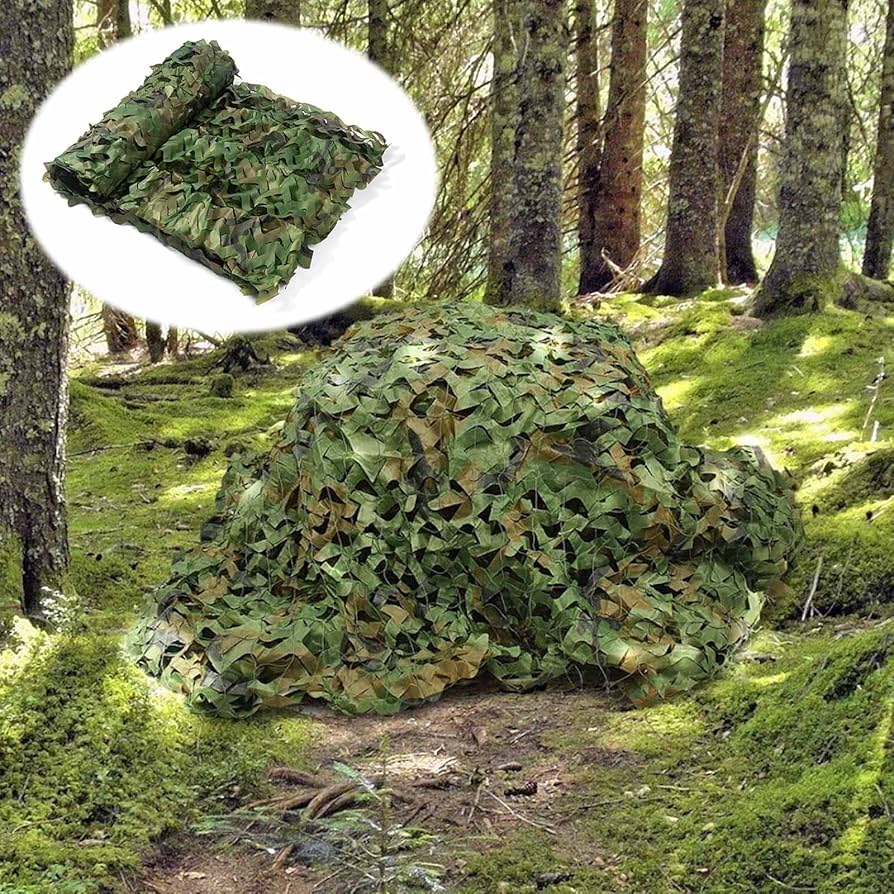
Tarnplanen is a German term that translates to “camouflage tarp” or “camouflage netting.” It refers to specially designed fabric or mesh coverings used primarily in military operations to conceal personnel, vehicles, equipment, and positions from visual and aerial detection.
Today, tarnplanen are also widely used outside military settings — including hunting, wildlife photography, airsoft, camping, and even decorative outdoor applications.
What Is Tarnplanen?
The word “Tarn” means camouflage, and “Planen” refers to tarps or covers. Tarnplanen are typically made from durable, weather-resistant materials and designed in patterns that blend with natural surroundings.
They are used to:
-
Conceal military vehicles
-
Hide equipment from aerial surveillance
-
Create temporary shelters
-
Reduce visual detection in forests or desert environments
Historical Background
Camouflage became increasingly important during World War I and World War II. German forces, in particular, developed advanced camouflage patterns and equipment. Tarnplanen were part of broader concealment strategies used by the military to avoid detection from enemy aircraft and reconnaissance units.
Modern camouflage netting continues to evolve with technological advancements, including radar-reducing materials and infrared-resistant fabrics.
Types of Tarnplanen
1. Woodland Camouflage
Designed with green and brown tones for forest environments.
2. Desert Camouflage
Light brown and beige shades for arid landscapes.
3. Snow Camouflage
White and gray patterns for winter operations.
4. Multi-Spectral Camouflage
Advanced designs that reduce visibility across different detection technologies, including infrared.
How Tarnplanen Works
Tarnplanen function through:
-
Color blending – Matching natural surroundings
-
Shape disruption – Breaking up recognizable outlines
-
Shadow reduction – Minimizing sharp contrasts
-
Texture variation – Mimicking natural foliage
This combination makes it harder for observers and surveillance equipment to identify objects underneath.
Civilian Uses of Tarnplanen
Although originally military-focused, tarnplanen are now used by:
-
Hunters
-
Wildlife photographers
-
Outdoor enthusiasts
-
Paintball and airsoft players
-
Event planners for themed decor
They are also useful for shading areas, covering vehicles, or protecting equipment outdoors.
Materials Used in Tarnplanen
Most modern tarnplanen are made from:
-
Polyester mesh
-
Nylon fabric
-
Waterproof treated canvas
-
UV-resistant synthetic blends
High-quality versions are lightweight, flame-retardant, and resistant to tearing.
Advantages of Using Tarnplanen
✔ Effective Concealment
Blends with natural environments to reduce visibility.
✔ Durable Construction
Built to withstand harsh weather conditions.
✔ Lightweight and Portable
Easy to transport and install.
✔ Multi-Purpose Application
Suitable for military, recreational, and practical uses.
Safety and Legal Considerations
While tarnplanen are legal in most countries, certain camouflage patterns may be restricted for civilian use in specific regions. Always check local regulations before purchasing military-grade camouflage materials.
Additionally, ensure proper ventilation if using tarnplanen as a shelter cover.
Final Thoughts
Tarnplanen play a critical role in concealment and protection strategies. From military battlefields to outdoor recreation, these camouflage tarps remain highly practical and versatile tools.
Their continued evolution demonstrates how strategic design and material innovation can significantly improve functionality in both defense and civilian settings.
FAQs About Tarnplanen
Q1: What does tarnplanen mean in English?
It translates to “camouflage tarp” or “camouflage netting.”
Q2: Are tarnplanen waterproof?
Many are water-resistant, but specifications vary by manufacturer.
Q3: Can civilians use tarnplanen?
Yes, in most regions, they are commonly used for outdoor and recreational purposes.